7 Best Tips to Choose the Right Wood for a Dining Table?

Time:2026-07-19 Author:Ethan
0%

Choosing the right wood for a dining table can feel overwhelming. Many factors come into play. From the type of wood to its finish, decisions impact style and durability. This guide helps simplify this process.

Consider how to choose the right wood for a dining table. Different woods offer unique characteristics. Oak is sturdy and classic, while pine is lighter and more affordable. Each choice creates a different atmosphere in your dining space.

Pay attention to grain patterns and color. A rich mahogany can exude warmth, while a sleek walnut provides elegance. Reflect on how these choices align with your existing decor. Ultimately, the right wood not only meets functional needs but also complements personal style.
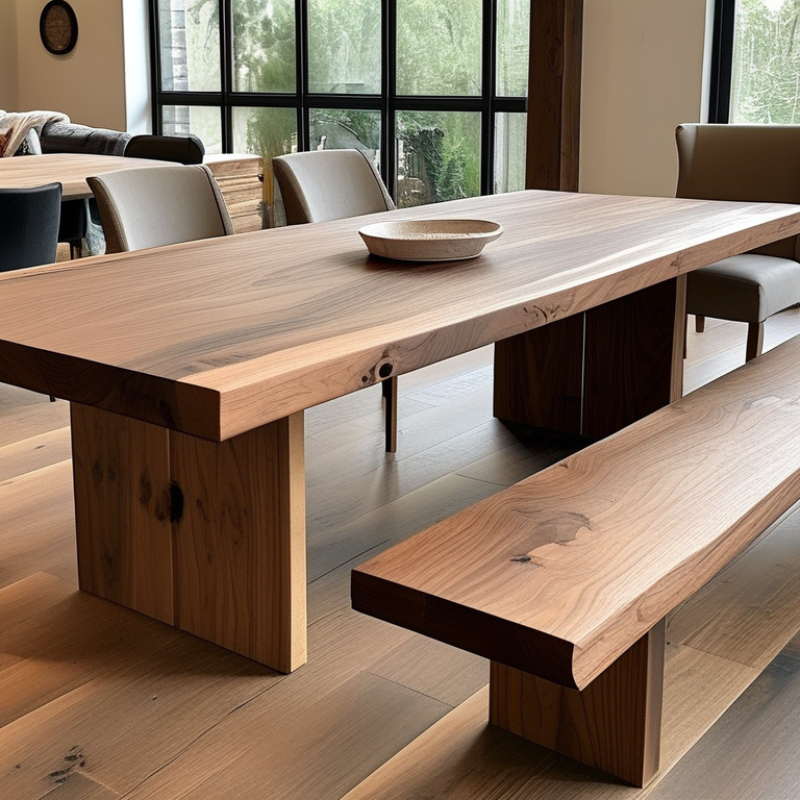
7 Best Tips to Choose the Right Wood for a Dining Table?

Understanding Different Types of Wood for Dining Tables

When choosing wood for a dining table, understanding different types is crucial. Hardwoods like oak, maple, and cherry are often preferred for their durability. According to a study by the American Hardwood Information Center, hardwoods can withstand daily wear and tear better than softwoods. On average, hardwoods show 20-30% more resistance to dents and scratches. This makes them ideal for family gatherings.

Softwoods, such as pine, offer a lighter alternative. They typically cost less but may not endure heavy use as well. A report from the Forest Products Laboratory states that softwoods can warp more easily, leading to long-term issues. This is something to consider, especially if you host frequent dinner parties. The aesthetic appeal of wood varies as well. Hardwoods often present richer grain patterns, while softwoods have a more uniform look.

Different finishing options also affect the wood's performance. A penetrating oil enhances the natural beauty but requires more maintenance. Conversely, polyurethane finishes might add durability but alter the wood’s appearance. It's essential to weigh aesthetic desires against practical needs. Such decisions can require reflection on your lifestyle and entertaining habits.

Wood Types for Dining Tables

This chart displays the popularity rating of various wood types commonly used for dining tables. Oak is the most popular choice, followed by maple and cherry, reflecting both aesthetics and durability.

Evaluating Durability and Maintenance of Wood Materials

When selecting wood for a dining table, durability and maintenance are critical aspects. Different types of wood offer various levels of resilience. Hardwoods like oak and maple are known for their strength, making them ideal for heavy use. Softwoods, such as pine, may look appealing but can dent and scratch easily. This concern is essential if you have a busy household.

Maintenance plays a vital role in keeping your dining table looking its best. Some wood types require regular polishing to maintain their finish. Others may need annual oiling to prevent drying and cracking. It’s important to consider how much time you’re willing to invest. A well-maintained table can last generations, while neglect can lead to irreversible damage.

Reflecting on your lifestyle can guide your choice. Do you have young children? They may be hard on furniture. Do you host frequent dinner parties? Choose a more durable option. Wood selections can sometimes feel overwhelming. It’s fine to feel unsure. Taking time to evaluate your needs will lead you to the right choice. Balancing beauty, durability, and maintenance ensures that your dining table serves as a cherished centerpiece in your home.

Choosing the Right Finish to Enhance Wood Appearance

Choosing the right finish for your dining table is essential for enhancing the wood's natural beauty. Different finishes can highlight the grain and color of the wood, making an ordinary piece extraordinary. A matte finish gives a soft, understated look. It allows the wood's texture to shine without overwhelming the senses. On the other hand, a glossy finish can create a modern and polished appearance. However, high gloss may magnify imperfections, revealing flaws that may not be noticed on matte surfaces.

When considering the finish, think about maintenance. Some finishes require more upkeep than others. For example, oil finishes are easy to apply but may need frequent reapplication. Urethane finishes, while more durable, can appear overly shiny if not applied correctly. It's essential to balance aesthetics and practicality. You want your table to look good but also to withstand daily wear and tear.

Don't forget to consider the lighting in your dining area. The finish will look different depending on the light. What may seem beautiful in bright daylight could appear dull or too reflective at night. Experimenting with samples can help visualize the final effect. It’s a good idea to test finishes on scrap wood before committing to your dining table. This trial-and-error approach can reveal unexpected challenges that you may want to address before finishing your table.

Considering Size and Shape of the Dining Table in Wood Selection

Choosing the right wood for your dining table is crucial. Size and shape play significant roles in this decision. A round table, for instance, may fit better in smaller dining spaces. In contrast, rectangular tables are more suitable for larger gatherings. According to industry reports, the average dining table size for a family of four is around 60 inches long.

The type of wood impacts the overall look and durability. When selecting wood, consider the size of your dining area. A towering oak table might overwhelm a compact room. Alternatively, lighter woods like maple can create an airy feel. Industry studies indicate that hardwoods typically last longer and withstand wear better than softer woods.

Also, think about the finish. A glossy finish may enhance beauty but can be tricky to maintain. Textured finishes can hide scratches but might not fit every aesthetic. It’s essential to balance style with practicality. Reflect on this with your space's design intent. What’s the vibe you’re trying to create?

Balancing Cost and Quality When Selecting Dining Table Wood

When selecting wood for a dining table, cost and quality must find a balance. According to the Wood Products Council, high-quality hardwoods like oak or maple can significantly increase the table's longevity and overall appeal. However, these options often come at a premium price. A solid oak dining table can range from $800 to $2,500, depending on craftsmanship and finishes. Budget-conscious buyers might gravitate towards plywood or softer woods, which are cheaper but often less durable.

The aesthetic and emotional value of a dining table cannot be overlooked. Many families cherish their dining tables as part of their heritage. Choosing a lower-quality wood may save money upfront, but it can lead to frustrations over time. A study by the National Wood Flooring Association indicates that consumers often regretted not investing in higher-quality materials. Ultimately, the decision process should include evaluating how often the table will be used and the importance of durability alongside cost. Balancing these factors ensures a wise investment that enhances daily life and withstands the test of time.

7 Best Tips to Choose the Right Wood for a Dining Table

Tip Wood Type Cost Range (per board foot) Durability Ideal Finish
1. Assess Usage Oak $3 - $8 High Polyurethane
2. Consider Grain Pattern Maple $4 - $10 Very High Varnish
3. Think About Color Cherry $5 - $15 Moderate Oil-based Finish
4. Factor in Sustainability Teak $10 - $20 Very High Marine Varnish
5. Match With Decor Walnut $7 - $25 High Lacquer
6. Consider Maintenance Pine $2 - $5 Low Stain and Sealant
7. Budget Wisely Birch $3 - $8 Moderate Oil Finish

FAQS

: How do I choose the right wood for my dining table?

: Consider durability and maintenance. Hardwoods offer strength, while softwoods can dent easily. Reflect on your lifestyle.

What maintenance do wood dining tables need?

Regular polishing and annual oiling may be necessary. Neglect can lead to irreversible damage over time.

How does the size of my dining area affect my table choice?

A round table suits smaller spaces, while rectangular tables are better for larger gatherings. Choose wisely.

What wood types last longer?

Hardwoods like oak and maple typically last longer than softwoods. They withstand wear better in busy households.

Is the finish on the table important?

Yes, a glossy finish enhances beauty but is harder to maintain. Consider your style and practicality needs.

How do cost and quality play a role in my selection?

High-quality hardwoods increase longevity but come at higher prices. Balance your budget with the table's expected use.

What if I'm unsure about the wood I want?

It's normal to feel unsure. Take time to evaluate your needs and preferences to make the right choice.

Why should I invest in quality wood?

Lower-quality wood saves money upfront, but may lead to future frustrations. Consider long-term value over short-term savings.

How does my lifestyle impact my table choice?

If you have children or host frequent dinners, choose more durable wood. It’s essential to reflect on your habits.

Conclusion

When considering how to choose the right wood for a dining table, it is essential to understand the various types of wood available, as each type has its unique characteristics and benefits. For instance, hardwoods like oak and maple provide durability and longevity, making them suitable for regular use. Evaluating the maintenance requirements of different wood materials is also crucial, as some may require more upkeep than others.

Additionally, the finish you select can significantly affect the visual appeal of the wood, enhancing its natural grain and color. Furthermore, it's important to consider the size and shape of the dining table, as these factors influence the overall aesthetics and functionality in your space. Finally, achieving a balance between cost and quality ensures that you invest wisely while still obtaining a beautiful and functional piece. By addressing these considerations, you can make an informed decision in choosing the right wood for your dining table.

Ethan

Ethan

Ethan is a seasoned marketing professional with a deep expertise in our company's innovative product line. With a passion for sharing knowledge and insights, he takes the lead in regularly updating our corporate blog, where he explores industry trends, product features, and effective marketing......