In a world dominated by mass production, the question arises: "Why buy handmade wooden crafts instead of mass-produced?" Renowned artisan Emily Carter shares her insight, stating, "Handmade pieces carry stories and warmth that factory-made items often lack." This sentiment resonates with many who appreciate the uniqueness of handcrafted goods.
Handmade wooden crafts are not just products; they are expressions of artistry. Each piece reflects the artist's skill and passion. Unlike mass-produced items, these crafts tell a story. A handmade wooden bowl may showcase intricate carvings or a unique grain pattern, reflecting nature's beauty. Such details are often lost in mass manufacturing.
Moreover, supporting local artisans fosters community growth. When buyers choose handmade, they invest in individual talent and local economies. However, it’s worth noting that not all handmade items are flawless. Some may lack the polish of mass-produced goods. This imperfection can spark deeper appreciation and connection. In the end, choosing handmade wooden crafts over mass-produced items is about valuing creativity and personal touch in a commercial world.
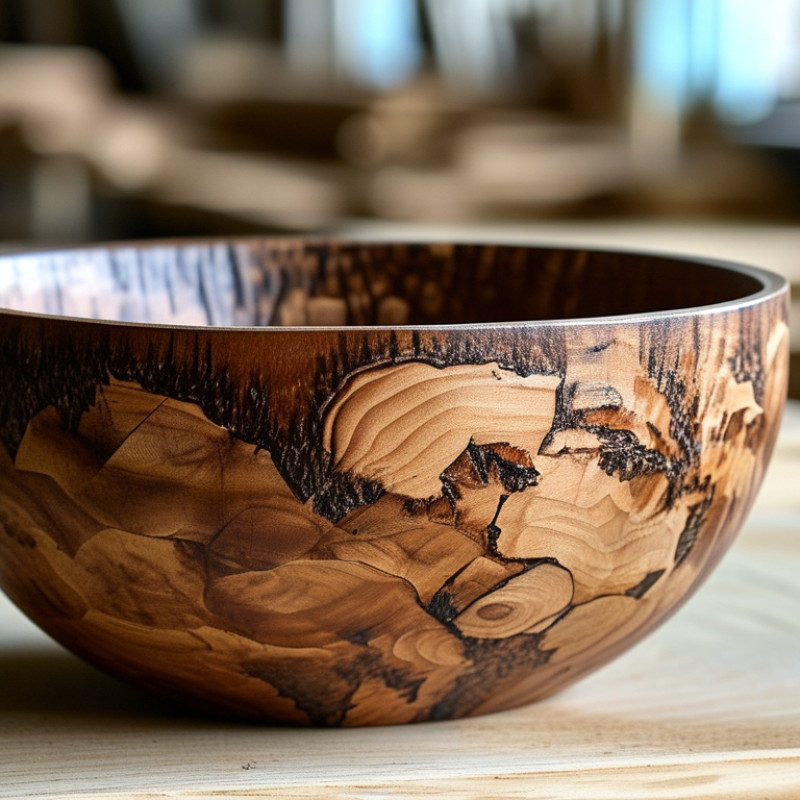
Handmade wooden crafts boast a unique aesthetic that sets them apart from mass-produced items. Each piece carries the mark of the artisan's skill and vision. The natural grain of wood, combined with careful craftsmanship, creates a tactile experience you simply can't find in factory-made goods. Variations in texture and color give each item a distinctive character. This allows for personal expression in home decor or gift-giving, making each craft a potential conversation starter.
A handmade wooden bowl might have slight imperfections. These small flaws can enhance its beauty. They remind us of the human touch behind each creation. In contrast, mass-produced items often lack personality. They can feel sterile, as though they were not meant to evoke any emotional connection. Handmade pieces invite you to appreciate the artistry involved. Not every item will be perfect, and that's part of their charm. It’s a reflection of nature and humanity, reminding us that beauty can exist in imperfection.
Choosing handmade wooden crafts over mass-produced items has significant environmental advantages. Handmade products typically involve less energy-intensive processes. Workers utilize sustainable methods and local materials, reducing the carbon footprint. This contrasts sharply with mass production, which often leads to excessive waste and pollution.
Moreover, handmade items promote sustainable forestry practices. Artisans often source wood from responsibly managed forests. This ensures that trees are harvested in a way that maintains the ecosystem. By contrast, mass-produced items frequently rely on unsustainable practices, leading to deforestation. This can disrupt habitats and contribute to climate change.
Supporting handmade crafts also fosters community development. Local artisans reinvest in their communities, creating jobs and promoting sustainable practices. However, it’s essential to acknowledge that not all handmade items are perfect. Some may still involve environmental challenges, such as the use of certain finishes or non-native wood species. Continuous discussion and improvement are critical.
Handmade wooden crafts embody a unique blend of tradition and artistry. Each piece is carefully shaped by skilled artisans, often using techniques passed down through generations. The soft glow of the wood grain tells stories that mass-produced items simply cannot convey. Artisans often take pride in their work, infusing personality into every curve and edge. This personal touch makes each product a one-of-a-kind treasure.
However, the craftsmanship behind handmade wooden products is not without its challenges. The process is labor-intensive and requires immense patience. Mistakes can happen, and not every piece turns out perfect. A slight imperfection might reflect the hands that crafted it, transforming it into a symbol of authenticity. Buyers often appreciate these quirks, acknowledging them as part of the item’s story.
In contrast, mass-produced items may boast uniformity, but they lack the soul and character of handmade crafts. The unpolished nature of these wooden products can prompt reflection on the value of time and effort. Choosing handmade means celebrating individuality and supporting skilled artisans dedicated to their craft. Each piece is a reminder of the human touch behind the creation, encouraging us to connect with the art of woodworking on a deeper level.
This chart compares consumer preferences for handmade wooden crafts versus mass-produced items across various factors such as quality, uniqueness, sustainability, and price sensitivity. The data reflects the increasing interest in craftsmanship and eco-conscious purchasing in recent years.
Choosing handmade wooden crafts supports local artisans and small businesses. This choice cultivates communities and fosters personal connections. When consumers buy handmade products, they often know the craftspeople behind the item. This connection can enhance the value of the purchase, making it more than just a transaction.
A report from the Handmade Industry Association found that the handmade market generates over $50 billion annually. This highlights a growing trend towards supporting local economies. Buying from artisans often means investing in unique, quality products. Many shoppers appreciate the craftsmanship. Handmade items are frequently more durable than their mass-produced counterparts. However, they may not always be as uniform. Each piece tells a story, which can be a point of reflection for buyers.
Despite the charm of handmade goods, they may come at a higher price. This can deter some consumers. One study found that 37% of respondents mentioned cost as a barrier to buying handmade. Yet, investing in local artisans contributes to sustainable practices. Many small businesses prioritize eco-friendly materials, which is essential in today’s economy. Choosing handmade crafts is an act of support for a vibrant, local community.
Handmade wooden crafts carry a unique emotional value that mass-produced items simply can't match. Each handcrafted piece tells a story. A skilled artisan carefully selects the wood, shaping it into something beautiful. This process adds depth to the item. Unlike factory products, which can feel cold and impersonal, handmade goods often evoke warmth and nostalgia.
Receiving a handmade gift feels special. It shows thoughtfulness and effort. The giver connects with the recipient in a profound way. A handmade wooden decor piece becomes more than just an object; it embodies memories and shared moments. Each scratch, flaw, and imperfection adds character. It prompts reflection on the human touch behind its creation.
Still, selecting handmade items isn't without challenges. Not all artisans guarantee quality. Some pieces may not meet high standards. It's vital to research and choose wisely. Yet, when you find that perfect handcrafted item, the emotional connection outweighs these concerns. The joy and warmth it brings to a space or a relationship make it all worthwhile.
| Aspect | Handmade Wooden Crafts | Mass Produced Items |
|---|---|---|
| Material Quality | High-quality, natural materials | Often uses synthetic or low-quality materials |
| Durability | Long-lasting and sturdy | May wear out faster |
| Unique Design | Each piece is unique and personalized | Identical designs in large quantities |
| Emotional Value | Holds sentimental value and a personal touch | Limited emotional connection |
| Eco-Friendliness | More eco-friendly production processes | Often contributes to environmental issues |
: Handmade wooden crafts have a distinct aesthetic, showcasing the artisan's skill and the wood's natural grain.
Small flaws in handmade pieces often enhance beauty, reflecting the human touch and adding character.
Handmade items typically require less energy and promote sustainable sourcing, reducing carbon footprints compared to mass production.
Artisans reinvest profits into their communities, creating jobs and fostering local economic growth and sustainable practices.
Handmade gifts evoke warmth and thoughtfulness, creating deeper connections between the giver and recipient.
Not all artisans guarantee quality; some items may not meet high standards, so research is essential.
Handmade crafts feel personal and warm, while mass-produced items can seem sterile and lack emotional connection.
Some handmade practices may use unsustainable woods or finishes, but many artisans prioritize eco-friendly methods.
Evaluate the craftsperson's credentials and craftsmanship to ensure you find a quality piece that feels right for you.
Embracing flaws prompts reflection on the artistry involved and celebrates the beauty found in imperfection.
When considering the question "Why buy handmade wooden crafts instead of mass-produced?", the answer lies in a multitude of significant factors. Firstly, handmade wooden crafts offer a unique aesthetic that showcases individual artistry, making each piece one-of-a-kind. This personal touch not only enhances your home décor but also allows for a deeper connection to the items you choose. Furthermore, opting for handmade products carries environmental benefits; they are often made using sustainable practices and materials, reducing the carbon footprint associated with mass production.
Beyond aesthetics and environmental considerations, the craftsmanship behind handmade wooden products reflects time-honored skills and dedication that are rarely found in factory-made goods. Supporting local artisans and small businesses contributes to the economic vitality of communities, fostering a sense of connection and appreciation for the art of woodworking. Finally, handmade gifts and décor hold emotional value, often becoming cherished keepsakes that carry memories and stories, making them far more meaningful than their mass-produced counterparts. In summary, choosing handmade wooden crafts is a decision that honors artistry, sustainability, and emotional depth.

TayLord Furniture