How to Choose Safe Wooden Light Bases for Long Term Use 2026

Time:2026-11-16 Author:Sienna
0%

A wooden light base can bring warmth to a room, but its safety depends on more than appearance. Are wooden light bases safe for long-term use? They can be, when the wood, electrical parts, and finished design suit the intended setting. Yet wood is combustible, and no material choice can compensate for poor wiring, trapped heat, or an unstable base. Details matter.

Look closely at the product before buying. A solid, dry base with smooth edges and a level footprint is less likely to split, snag a cord, or tip when lightly bumped. Check that the lamp’s socket, switch, cable, and plug are properly assembled, and look for clear product information from the manufacturer. If the light source sits close to the wood, confirm that the design allows heat to escape. LED bulbs usually run cooler than many older bulb types, but they still need suitable fixtures and operating conditions. Not just appearance.

The room matters, too. Damp air may affect wood finishes, while direct sunlight can fade or dry them over time. Keep the base away from water, curtains, and other heat-sensitive materials, and follow the maker’s cleaning and bulb instructions. During routine use, notice changes: a new wobble, cracked finish, unusual warmth, or a damaged cord deserves attention. I would not treat a decorative finish as proof of protection; that assumption is easy to make and hard to verify. This guide explains the features worth checking, the warning signs to watch for, and how thoughtful care can support safer, longer use.
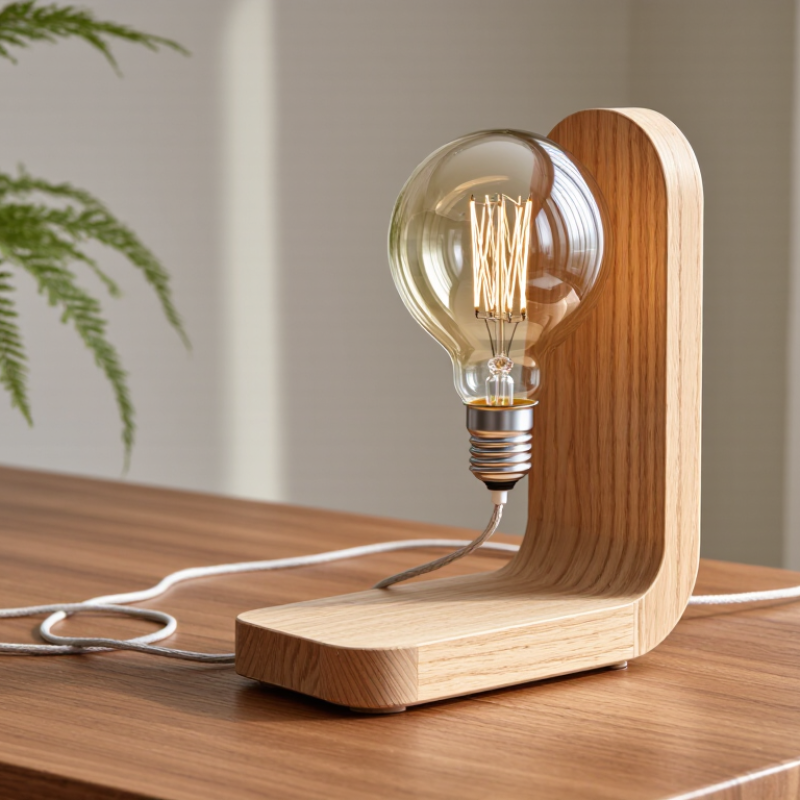
How to Choose Safe Wooden Light Bases for Long Term Use 2026

Understanding the Role and Long-Term Demands of a Wooden Light Base

A wooden light base is more than a decorative platform. It supports the lamp, keeps it steady, and protects connections from knocks and cable strain. Its weight, footprint, joinery, and finish all affect how well it serves over time. A narrow base may wobble on a bedside table; a loose socket can make the whole fixture feel unreliable.

Wood responds to indoor humidity. The USDA Forest Products Laboratory’s Wood Handbook (FPL-GTR-282, 2021) shows equilibrium moisture content near 6% at 30% relative humidity and about 13% at 70%, under typical room-temperature conditions. That change can move wood across the grain. Small cracks, lifted finishes, or loosened joints may follow. The figures are not a prediction for every home, but they explain why a base needs stable, properly dried stock.

Check the underside for flat contact and the neck for firm, even joints. Look for smooth cable exits, protected wiring, and no scorching near the socket. Keep the lamp away from persistent dampness and direct heater blasts. Solid wood can still split. Veneered construction can still be durable. I would not judge safety by appearance alone; a polished surface can hide a weak joint, and that deserves a closer look.

Choosing Durable Wood Species and Low-Toxicity Finishes

For a light base that should stay steady for years, choose dry, well-seasoned hardwood with a tight, sound grain. Maple and beech resist everyday dents; oak and walnut offer strength with more visible grain. Check the blank for cracks, loose knots, and uneven moisture before shaping. A beautiful board can still twist after it enters a warm, dry room. Stability matters more than appearance.

The finish deserves the same care. A water-based coating with clearly stated VOC information can suit indoor use, while some hardwax oils provide a natural-looking surface. No finish is literally chemical-free, so read its safety data and follow the maker’s application and curing instructions. Test it on an offcut first. The color may surprise you. Sand lightly between coats if directed, and allow full curing before fitting electrical parts or placing the base in service. A dry surface is not always a fully cured one.

Avoid wood with unknown treatment or a lingering solvent smell, especially when its history is unclear. Keep the finished base away from hot bulbs and follow the light-component maker’s clearance guidance; wood is combustible. I would also inspect the underside after a few weeks. Small changes in humidity can reveal a rocking foot or a hairline split that was easy to miss at the workbench.

Checking Stability, Craftsmanship, and Electrical Safety

How to Choose Safe Wooden Light Bases for Long Term Use 2026
Checking Stability, Craftsmanship, and Electrical Safety

A wooden light base should sit firmly on a flat table, without rocking when you touch its edge. A broad footprint and a low center of gravity help prevent tipping, especially beneath a tall shade. Inspect the underside for uneven feet, splits, and rough edges. Check joints around the stem, too. A neat finish can still hide a weak connection; appearance alone proves little. Wood may shift slightly with seasonal humidity, so check it again after months of use.

Tips: Press each corner gently. No wobble. Look for smooth cord openings, secure joints, and felt pads that stay attached.

Electrical details deserve close attention. The cord should pass through a smooth, protected opening, not rub against a sharp drilled edge. Look for loose sockets, exposed conductors, damaged insulation, or a plug that feels unusually warm during normal use. Stop using the lamp if you notice these signs. Keep the bulb within the fixture’s stated limit, and leave space around it so heat does not build near the wood. If wiring looks improvised or you are unsure about a repair, ask a qualified electrician. A small defect can be easy to miss.

How to Choose Safe Wooden Light Bases for Long-Term Use (2026)

A practical inspection checklist for stability, craftsmanship, and electrical safety.

How to use it: Check for a broad, non-rocking base and secure joints; inspect for smooth edges and an intact finish; and verify that the cord, plug, strain relief, and ventilation are in good condition. The bars count the checks in this practical checklist, not product test results or a certification.

Matching the Base to the Lamp’s Weight, Heat, and Environment

A wooden light base should be chosen for the actual lamp, not its appearance alone. Check the lamp’s weight and footprint: a narrow base can tip when a heavy shade is bumped or its cord is tugged. Keep the center of gravity low, and look for a flat underside with firm, non-slip contact.

DOE reports that LED lamps use at least 75% less energy than incandescent lamps. That lowers energy use, but wattage alone cannot predict base temperature. Check the lamp maker’s heat and clearance guidance, and avoid enclosing a hot bulb near wood. Warm to the touch is not a temperature test.

Room conditions matter, too. The USDA Forest Products Laboratory’s Wood Handbook lists equilibrium moisture content near 6.2% at 70°F and 30% relative humidity, rising to about 15.5% at 80% humidity. Wood can swell or shrink as moisture changes, stressing joints and finishes.

In a damp room, choose a stable, well-sealed base and keep it away from standing water; in dry rooms, inspect for cracks around screws and glued seams. Small details matter. I would recheck the base after moving the lamp or changing the bulb, since a setup that seemed steady can become less so over time.

Inspecting and Maintaining the Base for Safe Long-Term Use

Before checking a wooden light base, unplug the lamp and let the bulb cool. Set it on a flat table, then press gently near each edge. A rocking base may have uneven feet, a warped underside, or a loose connection between the base and stem. Don’t ignore a tiny wobble; it can worsen with repeated movement. Inspect the wood in bright light, especially around screw holes and the cord opening. Look for fine splits, swollen areas, dark stains, or a burnt smell.

Dust with a dry, soft cloth. If the surface needs more cleaning, use a barely damp cloth and dry it promptly. Water left in a joint can make wood swell. Keep the base away from radiators, damp windowsills, and direct sun, which can dry or distort the wood over time. Check that screws feel secure, but stop if tightening them makes the wood creak or split. I sometimes find it tempting to fix every mark; that isn’t always wise.

Inspect the cord where it enters the base. Fraying, flattened insulation, or a loose entry point needs attention from a qualified repair professional, not tape or guesswork. Check the underside periodically for worn pads that let the lamp slide. A record of cracks or changes can help you notice slow damage. It may feel fussy, but small checks matter.

FAQS

How can I tell if a wooden light base is stable?

Set it on a flat table and gently press each corner. No wobble. A broad base and low center of gravity help resist tipping.

What should I inspect on the underside?

Look for flat contact, attached felt pads, cracks, and rough edges. Uneven feet can make a lamp rock.

Can changes in humidity damage a wooden base?

Yes. Wood can swell or shrink as indoor moisture changes. Check joints and finishes for cracks or lifting, especially after seasonal changes.

How do I check the cord opening?

Make sure the cord passes through a smooth, protected opening. A sharp edge can wear the insulation over time.

What electrical warning signs should I watch for?

Stop using the lamp if wiring is exposed, insulation is damaged, or the socket is loose. A plug that feels unusually warm also needs attention.

Does using an LED bulb mean the wooden base will stay cool?

Not necessarily. LEDs use less energy than incandescent bulbs, but wattage alone does not show the base’s temperature. Follow the fixture’s heat and clearance guidance.

How should I match the base to a lampshade?

Check the lamp’s weight and footprint. A narrow base may tip if a heavy shade is bumped or its cord gets tugged.

When should I recheck the lamp base?

Recheck it after moving the lamp or changing the bulb. Small shifts matter. I would not trust appearance alone; a polished finish can hide a weak joint.

Conclusion

Are wooden light bases safe for long-term use? They can be when chosen and cared for with attention to the lamp’s design and surroundings. Start with a durable wood species and a finish that is fully cured and suitable for indoor use. Check that the base is well-crafted, sits firmly on a level surface, and has no cracks, loose joints, or sharp edges. Electrical components should be properly fitted and undamaged, with cords routed safely and kept clear of hot surfaces.

The base should be sized to support the lamp’s weight without tipping and should suit the heat it may encounter and the conditions of the room. Avoid placing it where moisture, direct heat, or repeated impacts could cause damage. Periodically inspect the wood, finish, connections, and cord; clean gently and address signs of wear promptly. These steps help preserve stability, appearance, and safe use over time.

Sienna

Sienna

Sienna is a skilled marketing professional with a deep expertise in our company’s core products and services. With a passion for innovation and detail, she plays a pivotal role in crafting insightful blog posts that not only highlight the unique features of our offerings but also provide valuable......