How to Choose the Best Wood for Your Dining Table?

Time:2026-05-01 Author:Henry
0%

Choosing the right wood for a dining table is crucial. The dining table is the heart of the home. It hosts meals, gatherings, and memories. But how to choose the right wood for a dining table?

Different types of wood offer unique characteristics. Oak is known for its durability and rich grain. Walnut, with its deep color, adds elegance but can be expensive. Pine is budget-friendly and lightweight but may scratch easily. These factors impact both aesthetics and functionality.

When selecting wood, consider usage and style. High-traffic homes need sturdy options. If you have young children, softer woods may not be ideal. Reflecting on your lifestyle helps narrow choices. Remember, the right wood enhances not just the table but your dining experience.
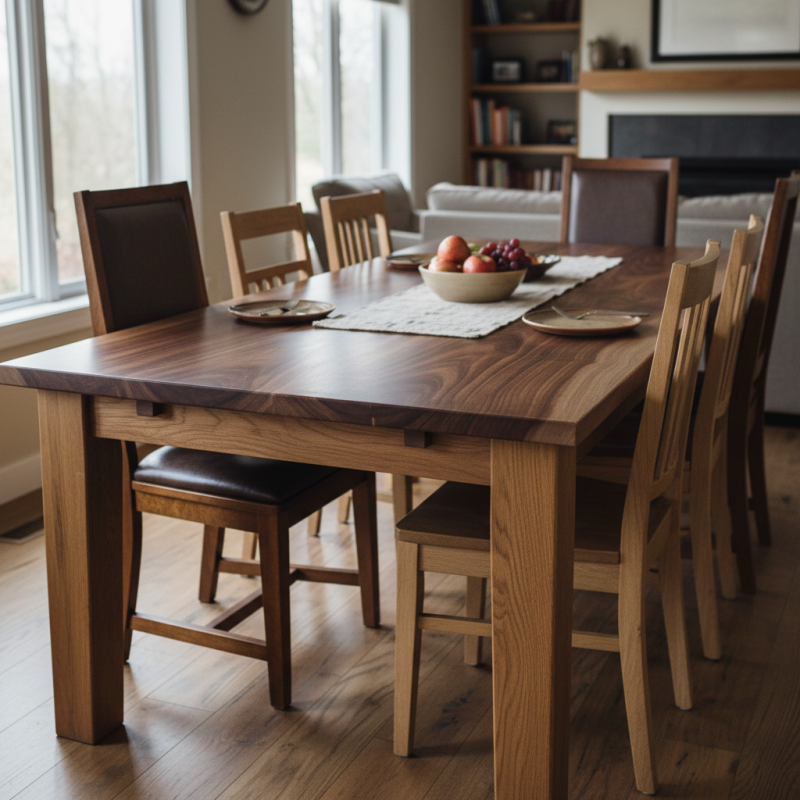
How to Choose the Best Wood for Your Dining Table?

Types of Wood Commonly Used for Dining Tables

When selecting wood for a dining table, it's essential to consider the types available. Each type has unique properties that affect durability and appearance. Oak, for instance, is very popular due to its strength. According to the Wood Database, oak resists wear and tear well, making it ideal for a frequently used dining space. Its grain is beautiful, which adds charm to any setting.

Another common choice is maple. It offers a creamy finish and excellent durability, ideal for families. Reports suggest that maple is less prone to warping, making it a reliable option for various climates. On the downside, its light color may show scratches more easily.

For those seeking a more upscale look, cherry wood is often recommended. It darkens over time and develops a rich patina, but it can be more cost-prohibitive.

Lastly, pine is worth mentioning. It’s affordable and lightweight, but softer than hardwoods. Dining tables made from pine may not stand up to heavy use and can dent more easily. Choosing the right wood requires weighing aesthetic appeal against practical considerations. Each choice reflects personal style and usage needs.

Factors to Consider When Selecting Wood for Dining Tables

When selecting wood for your dining table, consider durability. Hardwoods like oak and walnut withstand daily use better. They resist scratches and dents effectively. However, softwoods such as pine can give a rustic charm but may wear out quickly. Think about how your family uses the table. If you have kids, durability is key.

Next, examine the wood's grain and finish. Unique patterns can add character. Light woods often appear more casual, while dark woods exude elegance. Be mindful of the color as it affects the room's ambiance. A large table may drown in a dark shade, making the space feel smaller.

Lastly, consider maintenance. Some woods require periodic oiling to keep them beautiful. Others may need special cleaners. Understand your lifestyle. If upkeep isn’t your thing, opt for a low-maintenance finish. Choosing wood involves more than looks; it’s about finding balance between style and function in your home.

Wood Types for Dining Tables: Hardness Comparison

Durability and Maintenance Requirements of Various Woods

When selecting wood for a dining table, durability and maintenance are key considerations. Different wood types offer varying levels of robustness. For instance, hardwoods like oak and maple are renowned for their strength. Oak has a Janka hardness rating of 1360, making it resistant to dents and scratches. This can be crucial in a busy dining setting.

Conversely, softer woods, such as pine, score much lower on the hardness scale at around 380. While they may have a charming look, they require more maintenance and care. Regular staining and sealing are essential to protect these surfaces. A study by the Wood Products Council noted that softwoods can deteriorate faster under heavy use, highlighting the need for regular treatment.

Additionally, environmental factors also come into play. Humidity and temperature fluctuations can impact wood longevity. A report from the National Wood Flooring Association emphasizes the importance of maintaining a stable environment to prevent warping. Ultimately, choosing the right wood for a dining table involves balancing aesthetics with practical aspects like durability and maintenance requirements.

Aesthetic Considerations: Grain Patterns and Finishes

Choosing the right wood for your dining table is not just about durability. Aesthetics plays a crucial role in making the table a centerpiece of your dining space. The grain patterns of wood can evoke warmth and personality in the home. According to a survey by the American Furniture Manufacturers Association, 68% of consumers prioritize visual appeal when selecting wood finishes for furniture.

Different wood types exhibit unique grain patterns. Oak offers bold, prominent grains, while walnut presents a more subtle elegance. A deeper understanding of these characteristics can elevate your design choices. For instance, some species, like cherry, darken beautifully over time, adding depth but requiring careful maintenance. A study from the Forest Products Journal highlights how different finishes impact the wood's appearance. Glossy finishes can amplify the grain's details, drawing the eye, but they can also reflect unwanted light.

However, selecting wood isn't purely about aesthetics. Potential imperfections can arise. Warping due to humidity fluctuations can distort the grain. Additionally, variations in color can be unexpected. Awareness of how environmental factors might affect your table's look is essential. Research indicates that 30% of furniture buyers face issues due to improper care and material choice. Understanding these nuances will lead to better decisions in the long run.

Environmental Impact and Sustainability of Wood Choices

When selecting wood for your dining table, sustainability plays a crucial role. Choosing ethically sourced wood ensures minimal environmental harm. Look for wood that comes from managed forests. FSC (Forest Stewardship Council) certification is a good indicator of responsible logging practices. Sustainable options help maintain biodiversity and protect ecosystems.

Another factor is the lifecycle of the wood. Some species grow quickly, while others take decades. Fast-growing options like bamboo or poplar can be more sustainable. However, they may lack the durability of hardwoods. Reflecting on the durability versus sustainability is vital in your choice. Each option has its trade-offs, and what works for one person may not be ideal for another.

Consider the environmental impact of processing and transportation. Locally sourced woods significantly reduce carbon footprints. Yet, they might limit your choices in aesthetics or grain patterns. Finding a balance between style and sustainability can be challenging. Stay informed and think critically about your wood choices. The decisions you make today affect future generations.

How to Choose the Best Wood for Your Dining Table? - Environmental Impact and Sustainability of Wood Choices

Wood Type Sustainability Rating Durability Environmental Impact Cost Range (per board foot)
Oak High Very Durable Low $5 - $10
Walnut Moderate Moderately Durable Moderate $10 - $15
Maple High Very Durable Low $4 - $8
Cherry Moderate Moderately Durable Low $8 - $12
Pine High Low Durability High $2 - $5

FAQS

: What wood types are popular for dining tables?

: Oak, maple, cherry, and pine are commonly used. Each offers unique properties and aesthetics.

Why is oak a preferred choice?

Oak is strong and durable, resisting wear well. Its attractive grain adds charm to dining spaces.

What are maple's advantages and disadvantages?

Maple has a creamy finish and is durable. However, it shows scratches more easily due to its light color.

How does cherry wood benefit a dining table?

Cherry darkens over time, developing a rich patina. However, it can be more expensive than other options.

What should I know about pine wood?

Pine is lightweight and affordable, but it's softer and may dent easily. It's not ideal for heavy use.

How does usage affect wood selection?

Families with kids should prioritize durability. Hardwoods withstand daily wear better than softer woods like pine.

Why is wood grain important in choosing a dining table?

Unique grain patterns can enhance character. Dark woods may feel elegant, while light woods create a casual vibe.

What maintenance considerations should I have?

Some woods need regular oiling or special cleaners. Choose low-maintenance options if you prefer less upkeep.

How does color impact a dining table's look?

A table's color affects room ambiance. Dark shades may make large spaces feel smaller over time.

What balance should I find when choosing wood?

It's vital to mix style and practicality. Aesthetics should meet the functional needs of your household.

Conclusion

When considering how to choose the right wood for a dining table, it's important to explore the various types of wood commonly used, including hardwoods like oak and walnut, which are favored for their durability and beauty. Factors such as grain patterns, color, and intended use play a critical role in the selection process. Assessing the durability and maintenance requirements of different woods is also essential to ensure longevity and ease of care for your table.

In addition to aesthetics and practicality, the environmental impact and sustainability of wood choices should not be overlooked. Opting for responsibly sourced woods can contribute to sustainable practices, making your dining table not only a functional piece of furniture but also a conscientious choice for the environment. By balancing these considerations, you can confidently select the best wood for your dining table that meets both your style and ethical preferences.

Henry

Henry

Henry is a dedicated marketing professional with a profound expertise in the company's offerings. With years of experience in the industry, he possesses an impressive understanding of the market dynamics and consumer behaviors that drive success. Henry is committed to sharing his insights through......