When it comes to maintaining the beauty of your home, knowing how to clean unfinished wooden furniture can make a significant difference. Unfinished wood, with its natural charm, requires special care. Unlike finished pieces, unfinished wood is more susceptible to dirt and stains. This can be frustrating for many homeowners who wish to preserve its unique appeal.
To effectively clean unfinished wooden furniture, it's essential to understand the right techniques and cleaning agents. Regular maintenance can help in extending the life of your furniture. Using the wrong tools or harsh chemicals may lead to damage. It’s a delicate balance that requires attention.
While cleaning, be mindful of the imperfections that may arise over time. Each scratch or stain has a story. Reflecting on these details allows you to appreciate the character of the wood. Remember, the goal is not just to clean, but to care for the furniture that holds memories. So, when pondering how to clean unfinished wooden furniture, approach with love and patience.
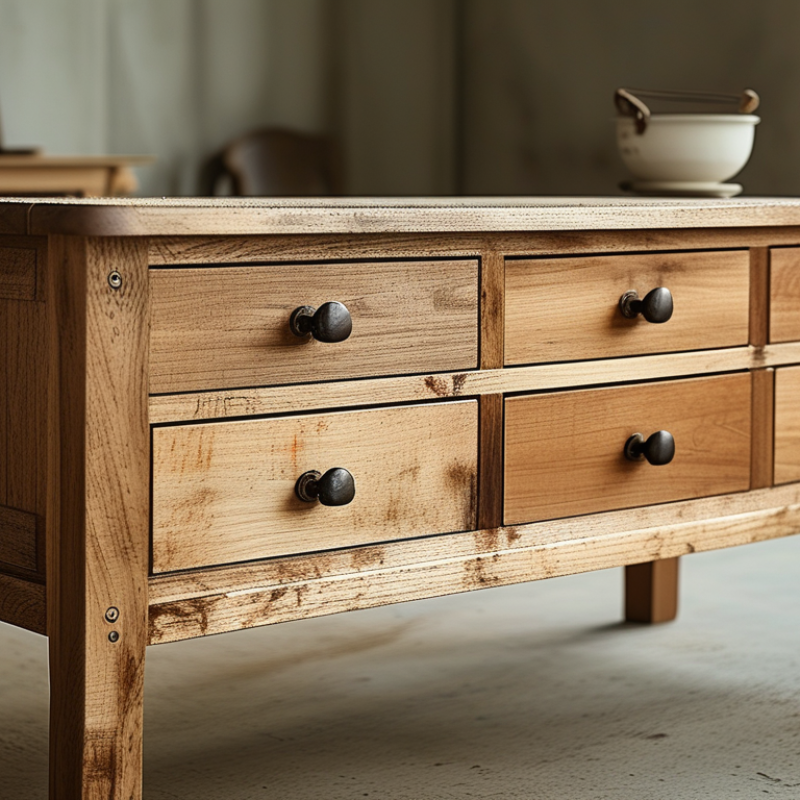
Cleaning unfinished wooden furniture requires careful consideration of the right tools and supplies. The wooden surface is sensitive and can absorb moisture easily. According to experts, the use of excessive water can lead to warping or damage. Opt for soft cloths or microfiber rags to prevent scratching the surface while ensuring effective dirt removal.
The cleaning agents you choose must be safe for unfinished wood. Recommendations often include natural options such as vinegar and oil mixtures. A report by the Woodworking Industry Association highlights that 62% of furniture restoration professionals prefer natural cleaners to synthetic ones. These options are gentler and reduce the risk of chemical reactions that can harm the wood.
When it comes to tools, avoid abrasive brushes or harsh chemical solutions. An old toothbrush can effectively tackle tough grime without compromising the wood’s integrity. Remember, scrubbing too hard can leave unintentional marks. If using any cleaning solution, dilute it first. Monitoring the moisture levels during the cleaning process is vital. Too much humidity can lead to spotting, which often becomes a permanent blemish on your furniture.
Dust is the enemy of unfinished wooden furniture. It settles into the grain and makes surfaces look dull. Start by choosing a soft, lint-free cloth for dusting. A microfiber cloth can trap more dust than a regular one. Gently wipe the surface, following the wood grain. This method prevents scratches and helps maintain its natural beauty.
Next, deal with loose dirt. Sometimes, dusting isn't enough. If you notice more stubborn dirt, a slightly damp cloth can help. Make sure the cloth is not soaking wet. Excess moisture can damage unfinished wood. Wipe the surface again and pay attention to corners and edges where dirt may accumulate. After cleaning, allow the furniture to air dry completely before using it. Evaluating your cleaning method is essential. A quick check could save you from future damage.
| Step | Actions | Tools Needed | Frequency |
|---|---|---|---|
| 1 | Dust Off the Surface | Microfiber Cloth | Weekly |
| 2 | Remove Loose Dirt | Soft Brush, Vacuum Cleaner | Bi-weekly |
| 3 | Check for Debris | Hand Brush | Monthly |
| 4 | Wipe Down with Damp Cloth | Damp Microfiber Cloth | As Needed |
Selecting the appropriate cleaning solution for unfinished wooden furniture can be tricky. Unfinished wood has no protective coating, making it vulnerable to damage from harsh chemicals. Studies show that over 70% of homeowners do not consider the type of cleaner when maintaining their furniture. This can lead to irreversible damage, such as discoloration or surface etching.
Natural solutions are often best. Mild soap mixed with water offers a gentle approach. A solution of one part vinegar to four parts water can also work well. Test any cleaner on a hidden area first. This prevents possible mishaps.
Tips: Always use a soft cloth to avoid scratching the wood. Avoid soaking the furniture, as excess moisture can warp the wood fibers. If the surface feels sticky, it may require more frequent cleaning, as dust accumulation can affect its appearance. Regular light dusting with a microfiber cloth is an effective maintenance strategy. Remember, less is often more with these fragile surfaces.
Cleaning unfinished wooden furniture can be a delicate task. Unfinished wood absorbs moisture easily, which may cause damage if not treated properly. Start by gathering your supplies. You will need a soft cloth, a small bucket, warm water, mild soap, and a soft brush.
Begin the cleaning process gently. Mix warm water with a few drops of mild soap in the bucket. Dip the cloth into the soapy water and wring it out thoroughly. Excess water can damage the wood. Wipe down the surface carefully, moving with the grain of the wood. Pay attention to corners and crevices, where dust can accumulate. If you encounter stubborn spots, use a soft brush. It can help remove dirt without scratching the surface.
After cleaning, dry the furniture with a clean, dry cloth. This step is crucial to avoid any water damage. If you notice any discoloration or spots afterward, reflect on your cleaning process. Perhaps the soap was too harsh or the cloth too wet. It's essential to learn from these experiences to better care for your unfinished wooden pieces in the future.
Drying unfinished wood after cleaning requires special attention. Proper drying prevents warping and cracking. Wood absorbs moisture, which can alter its shape. It is crucial to dry the furniture in a well-ventilated area. According to industry reports, maintaining relative humidity levels between 30% and 50% is ideal. This helps in preserving the wood's integrity.
After cleaning, use soft cloths to remove excess moisture. Avoid direct sunlight, as it can cause the wood to dry too quickly and result in surface damage. Allowing it to air dry can take longer, but this method is recommended by wood care experts. They emphasize that slow drying maintains the wood's natural finish.
For maintenance, consider applying a natural wax or oil after the furniture has dried completely. Studies suggest that this adds a protective layer, enhancing durability. However, over-application can lead to a greasy feel. Adjusting the frequency of application based on use is advisable. Regular inspections for signs of wear or moisture buildup can ensure longevity.
Remember, keeping unfinished wood in optimal conditions is a continuous process.
: Use a soft, lint-free cloth. Microfiber traps more dust. Wipe gently, following the wood grain.
Use a slightly damp cloth, but avoid soaking it. Too much moisture can damage unfinished wood.
Place it in a well-ventilated area. Avoid direct sunlight to prevent rapid drying and damage.
Maintain relative humidity between 30% and 50%. This helps preserve the wood's integrity over time.
Yes, but do it after the wood has dried completely. Apply just enough to add protection.
Regular inspections are essential. Look for signs of wear or moisture buildup to ensure longevity.
Over-application can make the surface greasy. It’s best to adjust the frequency based on furniture use.
Yes, air drying maintains the wood’s natural finish. It takes longer but is safer for the wood.
When it comes to understanding how to clean unfinished wooden furniture effectively, it's essential to begin by choosing the right cleaning tools and supplies specifically designed for this type of material. Prepare the surface by dusting off any loose dirt before applying a suitable cleaning solution. Selecting an appropriate cleaner is crucial, as unfinished wood is porous and sensitive to harsh chemicals.
The step-by-step cleaning process involves gently scrubbing the wood while ensuring that moisture does not penetrate too deeply. After cleaning, it’s vital to dry the furniture thoroughly and consider routine maintenance practices to preserve its natural beauty. By following these guidelines, you can maintain the integrity of your unfinished wooden pieces while keeping them looking great.

TayLord Furniture