Floating wood shelves have become increasingly popular in modern interior design, offering both functionality and style. According to a recent report by the National Kitchen and Bath Association, more than 70% of homeowners prefer open shelving for their kitchens and living spaces. These shelves create a visually appealing aesthetic while maximizing available space. However, many homeowners hesitate to install them due to concerns about visible brackets affecting the overall look.
So, how to assemble floating wood shelves without visible brackets? This topic is crucial for those who value elegance in their design choices. Various methods exist, from hidden supports to unique mounting systems. Expert carpenters recommend understanding these techniques to ensure safety and aesthetics. Crafting shelves without visible brackets can elevate your home’s style while maintaining a clean appearance. Even though building hidden bracket systems may seem intimidating, they can enhance the visual appeal of your space.
Nevertheless, achieving that seamless finish requires attention to detail. Not every technique will work for every type of wood or wall material. Homeowners must consider their design preferences and the weight capacity of the shelves. This level of nuance is essential for successful installation. Investing time in research and planning is key. Proper assembly can lead to stunning results that showcase your personal style.
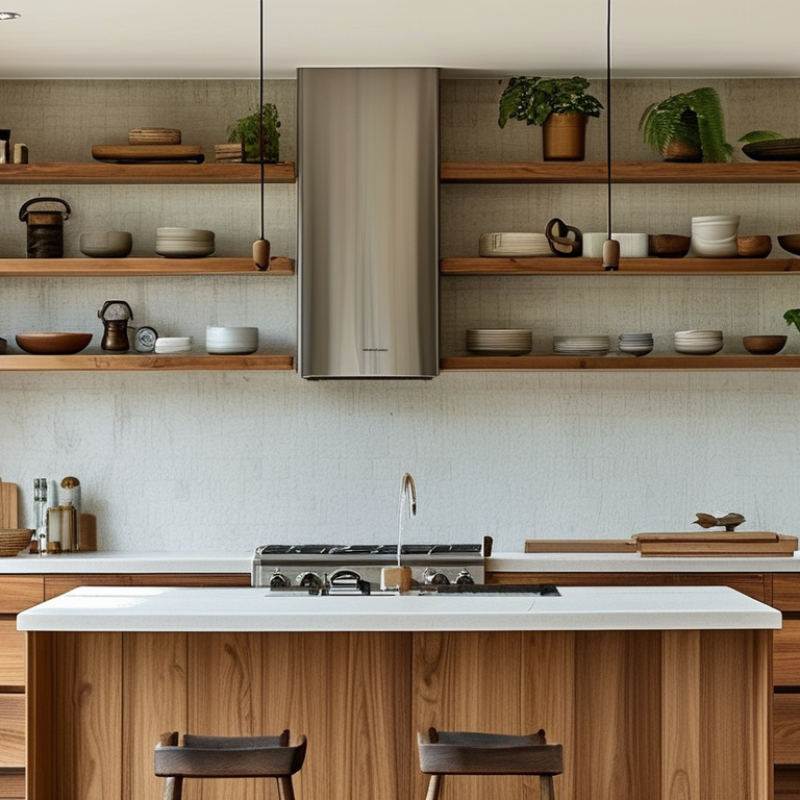
Floating wood shelves define modern design. They offer a clean, uncluttered look. These shelves provide functionality without sacrificing aesthetics. Achieving the right balance in design is crucial. Consider the weight capacity and the type of wood used. Lightweight woods like pine or plywood can add a casual touch, while hardwoods provide durability.
Placement is key to effective designs. Shelves should be level and positioned for easy access. Use a laser level for precision when hanging. This helps mitigate the risk of crooked shelves. It's vital to choose appropriate wall anchors to support the weight of the items displayed. Make sure to assess the wall material beforehand.
When styling your shelves, keep a cohesive theme. Mix objects of varying heights and textures. Adding plants can enhance visual appeal and bring warmth. However, be mindful of clutter. Too many items can detract from the overall effect. Take a step back and evaluate your arrangement regularly for balance.
| Shelf Idea | Material | Finish | Dimensions | Style |
|---|---|---|---|---|
| Rustic Oak Shelf | Solid Oak | Natural Stain | 36" x 10" | Rustic |
| Modern Walnut Shelf | Walnut | Matte Finish | 48" x 12" | Modern |
| Whitewashed Pine Shelf | Pine | White Wash | 30" x 8" | Farmhouse |
| Reclaimed Wood Shelf | Reclaimed Wood | Natural | 40" x 10" | Industrial |
| Ebony Shelf | Solid Ebony | Glossy Finish | 50" x 14" | Contemporary |
| Bamboo Shelf | Bamboo | Oil Finish | 32" x 9" | Eco-friendly |
| Glass and Wood Shelf | Composite Wood | Clear Coat | 45" x 11" | Modern Mixed |
| Teak Shelf | Teak | Natural Oil | 34" x 10" | Luxury |
| Cedar Shelf | Cedar | Stained | 38" x 11" | Traditional |
| Ash Wood Shelf | Ash | Lacquered Finish | 42" x 12" | Contemporary |
: Floating wood shelves are modern shelves that provide a clean look. They combine functionality with aesthetics effectively.
Solid wood, plywood, and engineered wood are common materials. Solid wood is durable, while plywood is lightweight and resistant to warping.
It’s vital to choose strong materials. Use heavy-duty wall anchors and install shelves into wall studs for better support.
Keep a cohesive theme and mix various heights. Adding plants can enhance aesthetics but avoid clutter for the best effect.
Choose wall anchors based on the weight of items. Assess wall material first to ensure proper anchor strength and support.
Improperly installed shelves can fail, causing injuries. Planning and precise measurements ensure safer and more reliable shelf installation.
Regularly check for sagging or instability. Visual inspections can help detect issues early, preventing accidents and ensuring longevity.
Yes, many DIY enthusiasts underestimate weight limits. Always account for the combined weight of items displayed on the shelves.
In the article titled "Top 10 Floating Wood Shelves Ideas Without Visible Brackets," readers will explore the concept and design principles of floating wood shelves, emphasizing the aesthetic appeal of shelves that appear to "float" without visible support. The article outlines essential materials needed for constructing these shelves and offers creative arrangements suitable for any room, ensuring they complement diverse interior styles. An important focus is placed on stability and safety measures to ensure that these invisible bracket shelves can be securely mounted.
Additionally, the article provides maintenance tips to keep the wooden surface in pristine condition. For anyone wondering how to assemble floating wood shelves without visible brackets, the content offers insightful guidance that empowers readers to create a sleek, clutter-free look in their homes while ensuring both functionality and style.

 TayLord Furniture