In today's market, selecting the right wooden furniture is crucial for businesses aiming for durability and aesthetics. Recognized industry expert, James Allen, emphasizes, "Quality wood furniture should balance elegance with strong construction." The quest to understand "How to identify high-quality commercial wooden furniture?" requires a keen eye and practical knowledge.
An authentic piece of wooden furniture should boast a robust build and a fine finish. Look for unique wood grains and consistent colors, as these details reflect craftsmanship. Additionally, the joints are revealing; strong, reinforced joins suggest quality.
However, navigating through endless options can be challenging. Many buyers overlook subtle flaws, like uneven surfaces or rough textures. These imperfections might indicate poor quality. Thus, discerning high-quality commercial wooden furniture involves careful inspection and an understanding of materials. Awareness of these criteria can lead to better purchasing decisions, enhancing both functionality and style for any commercial space.
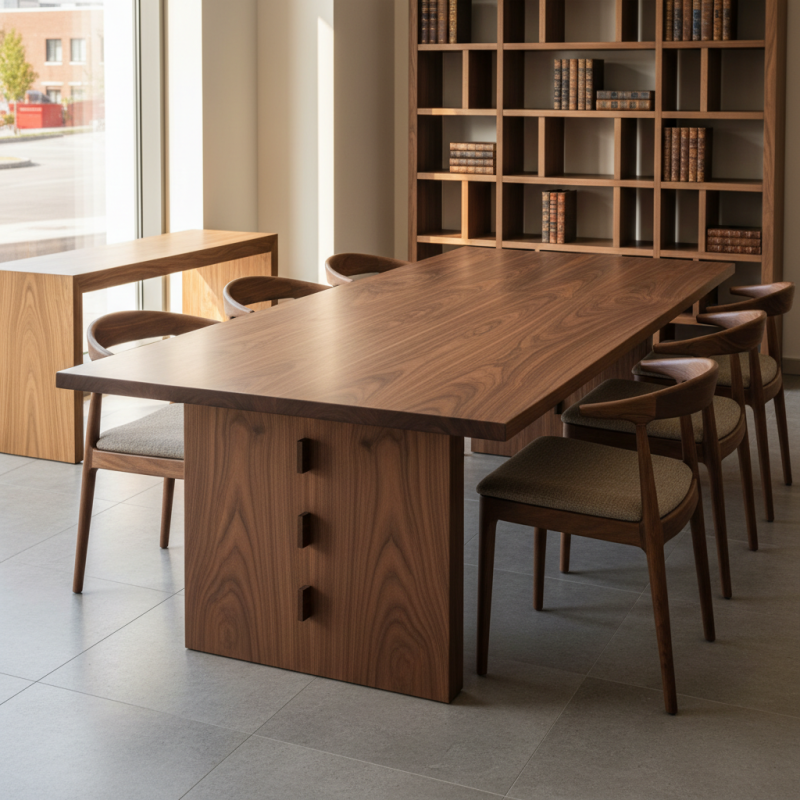
When investing in commercial wooden furniture, understanding quality is vital. High-quality wood not only enhances aesthetics but also longevity. It withstands daily use, which is crucial for businesses. Well-crafted furniture can improve the user experience and impress clients.
Durability is a key factor in quality assessment. Look for signs of solid construction, such as dovetail joints and thick veneers. Avoid particleboard or too much adhesive, as these indicate lower quality. Consider the wood type; hardwoods like oak and maple provide superior strength.
The finish of the furniture is equally important. A good finish protects the wood and enhances its appearance. Look for smooth surfaces without imperfections. It's also wise to check for warranty types offered. A lengthy warranty often signals confidence in the product's durability. Ultimately, investing in quality wooden furniture is a choice that pays off in the long run.
When looking for high quality commercial wooden furniture, the details matter. The wood type is crucial. Solid hardwoods like oak, maple, and cherry offer durability. They withstand daily wear better than softwoods. Assess the finish as well. A high-quality finish protects the wood while enhancing its natural beauty. It should feel smooth and look even.
Joinery is another key factor. Look for furniture that uses strong joinery techniques, such as dovetail or mortise-and-tenon. These connections provide stability, unlike cheap staples or screws. The weight of the furniture can also indicate quality; heavier pieces often use denser woods. However, not all heavy items are well-crafted.
It’s essential to check for signs of poor craftsmanship. Uneven seams or misaligned drawers can be red flags. Use your senses. The wood should have a rich, natural scent. Too many synthetic or chemical odors can signify lower quality materials. Pay attention to the details, as they reveal a lot about durability and artistry. High quality wooden furniture may require a larger initial investment, but its longevity can often justify the price.
| Characteristic | Description | Importance |
|---|---|---|
| Material Quality | Use of durable hardwoods like oak, maple, or walnut. | Ensures longevity and resistance to wear. |
| Craftsmanship | Attention to joinery, finishing, and overall assembly quality. | Imparts strength and aesthetic appeal. |
| Finish | High-quality varnish or lacquer that enhances wood grain. | Protects the wood and adds beauty. |
| Stability | Resistance to warping, cracking, or splitting over time. | Ensures durability and usability. |
| Design | Aesthetic design that complements various interiors. | Enhances overall ambiance of the space. |
| Functionality | Multi-functional aspects such as storage options. | Increases utility and space efficiency. |
| Sustainability | Eco-friendly materials and responsible sourcing. | Supports environmental conservation efforts. |
When assessing high-quality commercial wooden furniture, the materials used play a crucial role. Hardwoods such as oak, walnut, and maple are often preferred over softwoods. According to a 2022 report by the National Wood Furniture Association, hardwood furniture typically lasts longer and withstands daily wear better than their softer counterparts. These hardwoods not only provide durability but also exhibit richer colors and intricate grain patterns, enhancing visual appeal.
In addition, the choice of finishes matters significantly. High-quality furniture often utilizes natural oils or stains, which can enhance the wood’s beauty without compromising its integrity. A study from the Forest Products Laboratory noted that products with water-based finishes are less likely to emit harmful VOCs, providing a healthier indoor environment. This is essential, as many businesses prioritize health and safety standards in their purchasing decisions.
However, identifying quality materials can be challenging. Some manufacturers may use less expensive wood disguised under layers of veneer. This can mislead buyers about the true nature of the furniture. It’s worthwhile for consumers to ask about sourcing and construction methods. Trusted suppliers should be transparent about their materials and processes, ensuring that consumers can make informed decisions.
When evaluating the craftsmanship of wooden furniture, attention to detail is crucial. Inspect joints and seams closely. Well-made furniture has tight, smooth joints that don’t wobble. If gaps are visible, the quality is often compromised. Look for consistent grain patterns throughout the pieces. This signals careful selection of wood.
Another important aspect is the finish. High-quality furniture has a smooth, even finish. Touch it and feel for imperfections. A rough surface can indicate a rushed job. Examine the edges. Sharp, clean edges suggest meticulous work, while rounded or chipped edges might hint at low-quality materials.
Don't overlook the weight of the piece. Heavy furniture typically indicates solid construction. Lightweight options may use cheaper materials that compromise durability. Each characteristic provides insight into craftsmanship. Take your time when assessing. Reflect on what feels right for you and your space. Quality furniture is an investment, not a quick purchase.
When purchasing wooden furniture, it's crucial to avoid common pitfalls that can lead to disappointment. One major mistake is overlooking the importance of material quality. A study conducted by the American Home Furnishings Alliance found that nearly 30% of consumers report dissatisfaction with furniture durability. This often stems from selecting products made from low-grade hardwood or synthetic materials disguised as solid wood.
Another significant area of concern is the finish and craftsmanship. High-quality wooden furniture should have a flawless finish and precision joinery. Research indicates that poorly finished surfaces not only affect aesthetics but can also undermine structural integrity. An unrefined finish can lead to rough edges and splintering, making the furniture less safe and durable.
Lastly, don't forget to consider the longevity of the furniture you buy. The National Wood Flooring Association highlights that well-made wooden furniture can last for generations when cared for properly. However, many people opt for trendy but low-quality pieces that might not withstand heavy use. Investing in quality furniture will typically provide better value over time, despite higher initial costs. Reflect on these elements before making a purchase, as they can dramatically influence your satisfaction with your new wooden furniture.
: Solid hardwoods like oak, maple, and cherry are preferred for their durability.
A high-quality finish should feel smooth and appear even, enhancing the wood's natural beauty.
Look for dovetail or mortise-and-tenon joinery for stability, unlike screws or staples.
Heavier furniture often uses denser woods, but not all heavy items are well-crafted.
Look for uneven seams, misaligned drawers, and check for any rough edges.
Avoid low-grade hardwood or synthetic materials that can mislead about the furniture's quality.
A flawless finish protects the furniture and maintains structural integrity, affecting both safety and durability.
Yes, trendy items may lack durability and longevity, leading to potential dissatisfaction over time.
Investing in high-quality furniture typically offers better long-term value despite higher initial costs.
Reflect on material quality, finish, craftsmanship, and potential longevity to ensure satisfaction.
When considering how to identify high-quality commercial wooden furniture, it's essential to understand the significance of quality in enhancing both aesthetics and durability. High-quality wooden furniture showcases key characteristics such as robust construction, fine grain patterns, and a smooth finish, which are indicators of superior craftsmanship. Evaluating the materials used, such as solid hardwoods versus engineered woods, can provide insights into the longevity and performance of the furniture.
Furthermore, examining the craftsmanship through joints, hardware, and overall design can reveal much about the furniture's quality. Common pitfalls include overlooking details like proper joinery or settling for damaged items, which can affect the overall value. By paying attention to these elements, one can make informed decisions when purchasing commercial wooden furniture, ensuring a wise investment that stands the test of time.
TayLord Furniture