Creating an aesthetically pleasing space is vital for enhancing visual impact. Display shelves are versatile tools for showcasing items, from books to decorative pieces. However, a significant question remains: Where to place a display shelf for maximum visual impact?
When it comes to placement, consider the room’s layout and natural lighting. A wall that receives ample light can highlight your shelf beautifully. Alternatively, an empty corner may provide a cozy nook for showcasing personal treasures. However, it's essential to avoid clutter. A shelf overloaded with items can detract from its purpose.
Think about your audience’s perspective. What draws their attention? Ensuring visibility at eye level can make your display more engaging. Placing a shelf above eye level may require effort to appreciate its contents. But, every room has unique characteristics, and experimenting with layout can lead to unexpected results. Reflect on what arrangements work best for your space. Each choice contributes to creating a visually impactful display.
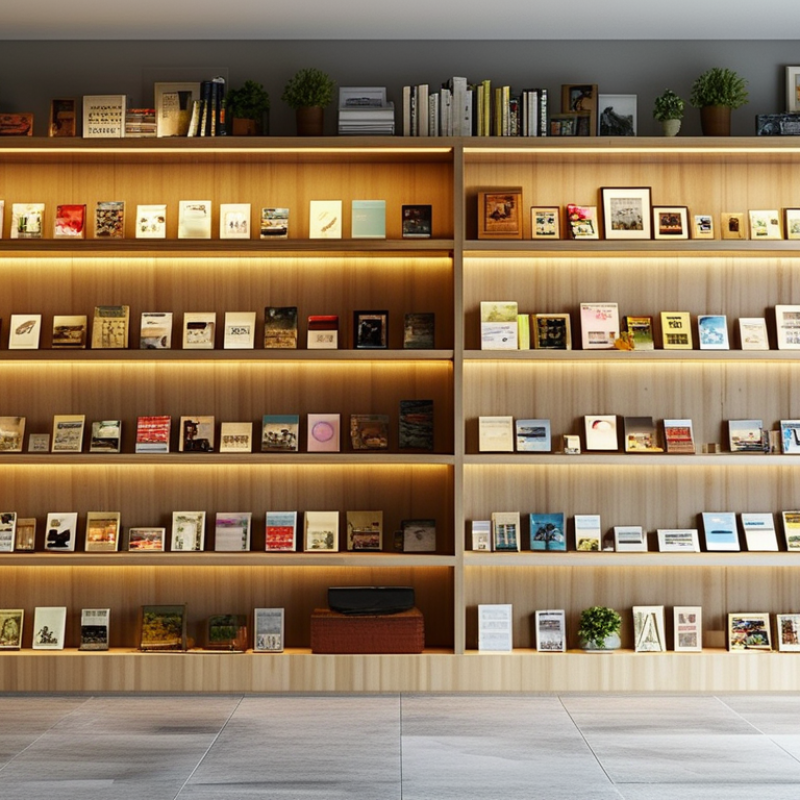
When choosing the right room for your display shelf, consider the overall layout and natural light. A well-lit room enhances the beauty of your display. Shelves placed near windows can create a stunning visual effect. However, be cautious of direct sunlight, which may fade delicate items over time. You want your display to shine, but not at the cost of preserving your treasures.
Think about the function of the room. A living room often serves as a social hub. Here, a display shelf can showcase personal items like family photos or travel souvenirs. In contrast, a home office may better suit items that inspire productivity, such as books or artwork. Pay attention to the size of the shelf compared to the room. An oversized shelf in a small space can feel overwhelming. Aim for balance to ensure the display enhances the room rather than dominates it.
Reflect on how the shelf interacts with other furniture. Placing it next to a cozy chair invites people to sit and enjoy the view. However, clutter can detract from your display's impact. Leave some space open to breathe. This invites the viewer's eye to wander across the shelf. It’s about creating a story, not just organizing items. Thoughtful placement helps make your display shelf a focal point.
| Room | Best Placement | Visual Impact | Considerations |
|---|---|---|---|
| Living Room | Against a prominent wall | High | Ensure it complements existing decor |
| Bedroom | Opposite the bed | Moderate | Use for personal displays or memories |
| Home Office | Behind the desk | High | Organize books and awards |
| Dining Room | Next to a sideboard | Moderate | Showcase dinnerware or decor |
| Hallway | End of the hallway or entrance | High | Create a welcoming vibe |
When placing a display shelf, evaluating high-traffic areas is crucial for visibility. Consider locations near entrances or busy walkways. Foot traffic in these areas provides a steady audience for your display. A shelf positioned in such spots captures attention. You might think that visibility alone guarantees success, but it's not that simple.
Think about the surrounding environment. Does the area feel cluttered? A shelf could get lost among other displays. Conversely, a well-placed shelf can create a balanced look, drawing the eye. Experiment with different locations. Monitor foot traffic patterns at varying times. This will reveal peak times and best spots.
Lastly, reflect on what catches people's attention. Bright colors or unique designs work well. However, be careful not to overwhelm visitors with too much information. Sometimes, less is more. By strategically placing your display shelf and understanding its environment, you can maximize its impact effectively.
When considering where to place your display shelf, utilizing natural light is essential. Positioning your shelf near a window can highlight the items displayed. Sunlight can make colors pop and create inviting shadows. This can enhance the overall visual appeal of your space. However, be mindful of direct sunlight. Prolonged exposure may cause items to fade over time. It’s a balance between showcasing your collection and maintaining its integrity.
To maximize the impact, experiment with different angles. Test how the light shifts throughout the day. This can lead to discovering unexpected beauty in your display. Natural light can enrich textures and details, making even simple objects look stunning. You might find that some pieces stand out more than others in certain light. Stay open to adjusting your layout based on these observations.
Creating depth is also vital. You can layer items to create interest. Let larger pieces catch the light while smaller items recede into the shadows. This contrast can draw the eye and keep your display engaging. Keep in mind that not every arrangement will work; reflection and tweaking will be necessary. Embrace this process as part of developing an eye for aesthetics.
When arranging furniture, the placement of display shelves can significantly enhance visual appeal. Research by the Institute of Interior Design shows that shelvings placed at eye level can boost engagement by 40%. Positioning a display shelf in a well-trafficked area invites interaction, drawing the eye naturally. Consider the room's flow and how visitors navigate. A shelf in a corner may look appealing but can obstruct movement.
Moreover, the functionality of a display shelf depends on its surroundings. A cluttered area can diminish its visual impact. According to data from the American Society of Interior Designers, 70% of people find a minimalist design more attractive. Thus, keeping nearby spaces organized is crucial. Evaluate the relationship between furniture pieces; shelves should complement rather than compete with other items.
Lighting is another pivotal factor in effective placement. A shelf illuminated by natural light can achieve a different aesthetic than one under harsh artificial lighting. Shadows can distort perceptions. Look for areas where light hits, as this can maximize the shelf's visual potential. Placement isn't just about aesthetics; it's a careful balance of functionality and design that requires ongoing adjustments and reflection.
When designing a display shelf, the balance between aesthetics and functionality becomes crucial. Many homeowners overlook the practical aspects of shelf design in favor of visual appeal. According to a recent report by the National Association of Home Builders, over 70% of consumers prioritize functionality in their home design choices. This statistic highlights the importance of incorporating practical elements without sacrificing style.
To optimize shelf placement, consider the room's flow and how the shelf will be used. A common mistake is placing shelves too high or too low. Research shows that shelves at eye level attract more attention. The right height facilitates easy access and enhances visual engagement. Ensure that the shelf design complements the existing decor while serving a specific purpose, such as displaying books or decorative items.
Pay attention to material selection as well. The market reveals that wooden shelves have a warm appeal, while metal supports a modern look. Striking the right balance can elevate the overall design. Reflecting on the shelf's purpose and placement fosters a deeper connection with the space. Integrating these aspects promotes both utility and visual harmony, offering a more fulfilling experience in your living area.
: Consider natural light and overall layout. A well-lit room highlights your display.
Yes, direct sunlight may fade delicate items over time. It’s wise to be cautious.
Family photos or travel souvenirs work well. They showcase personal stories in social spaces.
Consider books or inspiring artwork. These can boost productivity and enhance the workspace.
Oversized shelves in small rooms can feel overwhelming. Aim for balance to enhance the space.
Place it near a cozy chair. This invites people to sit and appreciate the display.
High-traffic areas increase visibility. A well-placed shelf captures more attention from visitors.
Ensure the shelf complements existing decor while serving practical purposes. This creates harmony.
Shelves at eye level tend to attract more attention. They also facilitate easy access to items.
Aim for simplicity; too much information can overwhelm viewers. Less can sometimes be more.
When considering where to place a display shelf for maximum visual impact, several factors come into play. First, choosing the right room is crucial; shelves in living areas or entryways tend to attract more attention. Evaluating high-traffic areas ensures that your display remains visible and engaging for visitors. Natural light can significantly enhance the appeal of your displayed items, making placement near windows an excellent strategy.
Furthermore, furniture arrangement should be taken into account to achieve optimal shelf visibility while maintaining a harmonious flow within the room. Lastly, balancing aesthetics and functionality is key; the shelf should be both pleasing to the eye and practical for everyday use. Ultimately, thoughtful consideration of these elements will lead to a successful and visually impactful display shelf placement.
TayLord Furniture