Outdoor wooden benches offer a cozy space for relaxation, but they face constant exposure to rain. This can lead to wood rot and damage over time. It raises the question: How to protect outdoor wooden benches from rain? Maintaining the beauty and integrity of your benches is essential for their longevity.
In this guide, we explore effective tips to shield your benches from harsh weather. Proper care can extend their life significantly. Applying waterproof sealants is one method. It creates a barrier against moisture. Additionally, using covers when not in use can prevent water from pooling on the surface. Each approach involves simple steps that can yield impressive results.
Remember, even with these protections, regular maintenance is critical. Inspecting your benches for signs of wear can help sustain their durability. Every little effort adds to their resilience against rain. Implement these strategies to enjoy your outdoor seating for years to come.
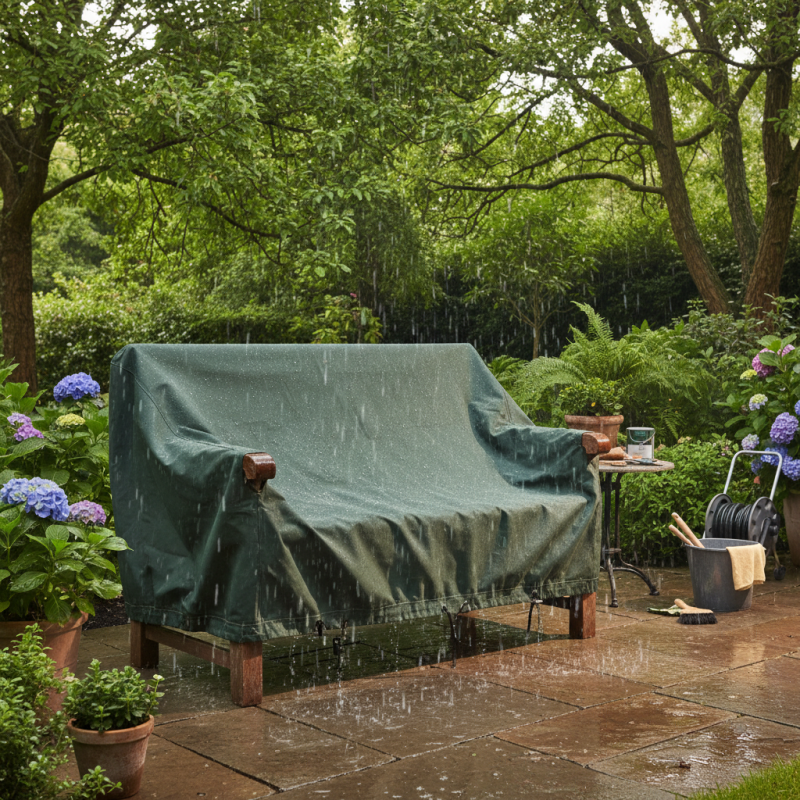
Wooden benches are vulnerable to rain damage. According to the American Institute of Timber Construction, over 80% of wood failure is due to moisture-related issues. Water can lead to rot, mold, and structural weakness. Regular exposure to rain increases the risk of degradation, especially in untreated wood. This vulnerability underscores the importance of assessing the type of wood used as well as the bench’s environmental exposure.
Maintenance plays a critical role in prolonging the life of outdoor wooden furniture. The Environmental Protection Agency details that moisture can penetrate wood fibers, causing expansion and contraction. This results in cracking, splitting, and eventual collapse. It's essential to check for existing damage regularly and apply protective treatments. Many homeowners overlook the gaps where water collects, allowing mold growth. Ignoring these areas can lead to significant and costly repairs down the line. Paying attention to the condition of your benches can save money and effort in the long run.
| Tip | Description | Expected Duration of Protection (Months) |
|---|---|---|
| 1. Use a Waterproof Sealant | Apply a high-quality waterproof sealant to create a protective barrier against moisture. | 12 |
| 2. Regular Maintenance | Perform regular checks and maintenance to address any wear and tear. | 6 |
| 3. Use Outdoor Covers | Utilize breathable outdoor covers to shield benches when not in use. | Varies |
| 4. Elevated Base | Ensure benches are elevated off the ground to prevent water pooling underneath. | N/A |
| 5. Choose the Right Wood | Select naturally durable woods like cedar or redwood that are resistant to moisture. | N/A |
| 6. Sanding and Refinishing | Sand and refinish the surface regularly to maintain a smooth, protective layer. | 12 |
| 7. Positioning | Position benches away from direct rain exposure, such as under eaves or trees. | N/A |
| 8. Drainage Solutions | Incorporate drainage solutions to redirect rainwater away from the bench area. | N/A |
| 9. Inspection for Damage | Regularly inspect for signs of damage and treat issues promptly. | Ongoing |
| 10. Avoid Metal Fasteners | Opt for plastic or stainless steel fasteners to prevent rust and damage. | N/A |
: Look for durability and moisture resistance. Certain woods handle rain better than others.
Teak has high natural oil content, making it resistant to water damage and prolonging its longevity.
Cedar can last over 15 years but requires regular maintenance.
They may warp or fade when exposed to harsh weather conditions without proper protection.
It’s budget-friendly and offers decent moisture protection but needs regular sealing.
Use waterproof covers or build shelters like gazebos for added protection.
Yes, but they may not be aesthetic. Secure them properly to prevent damage.
Regular inspections are necessary to check for water damage or wear over time.
Yes, combining wood selections and treatments can enhance durability and aesthetics.
Regular sealing, cover usage, and shelter maintenance are crucial to prevent deterioration.
To effectively address the question of "How to protect outdoor wooden benches from rain?", it's essential to first assess their vulnerability to moisture damage. Choosing the right type of wood that inherently resists water can significantly contribute to longevity. Applying appropriate weatherproof sealants and finishes creates a barrier against rain, ensuring the wood remains intact.
Regular maintenance practices, such as cleaning and reapplying protective coatings, are crucial in prolonging the life of outdoor benches. Additionally, utilizing covers and shelters offers an extra layer of protection, preventing direct exposure to rain. By following these strategies, you can safeguard your wooden benches and keep them looking beautiful for years to come.

 TayLord Furniture