As temperatures plummet in winter, many homeowners observe their solid wood furniture taking on a warped appearance. This phenomenon raises the critical question: "Why is solid wood furniture warping in winter?" According to expert woodworker Michael Johnson, “The changes in humidity and temperature create a perfect storm for wood to bend and twist.”
Studies show that wood's natural moisture content is highly sensitive to environmental changes. A report from the National Wood Flooring Association indicates that indoor humidity levels can drop significantly in winter, sometimes falling below 30%. This low humidity causes wood to lose moisture and shrink, resulting in warping. The combination of heating systems and cold outdoor air exacerbates the problem.
Moreover, many consumers may overlook proper maintenance and climate control during winter months. This neglect can lead to uneven drying and stress within the wood fibers. As owners invest in solid wood pieces, understanding the factors behind warping becomes essential for preservation. Without careful attention, even the highest-quality furniture can succumb to the seasonal challenges posed by winter.
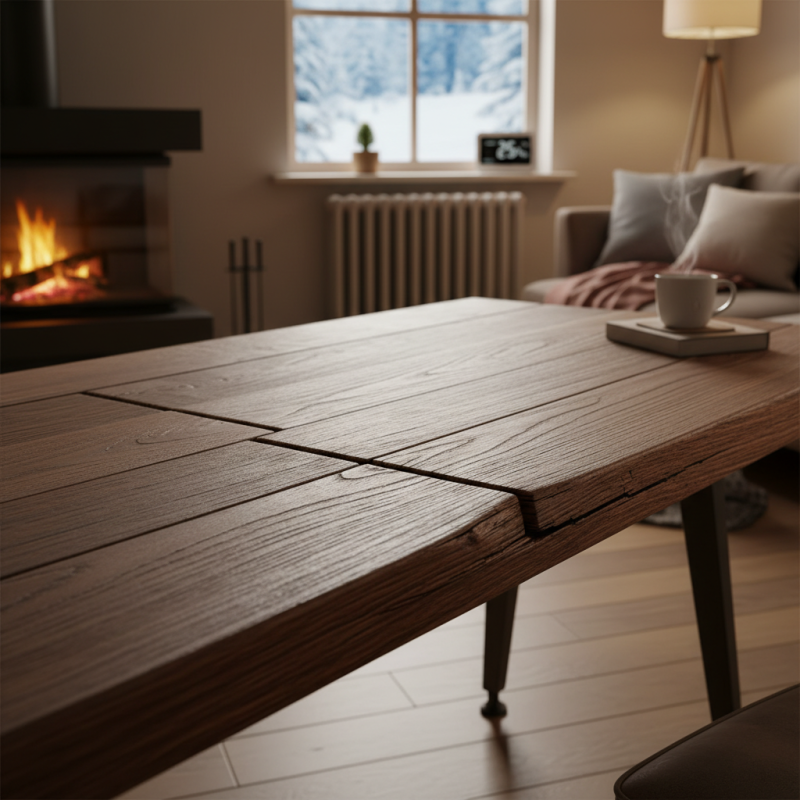
Wood is a living material. It reacts to changes in humidity. In winter, air tends to be drier. This shift in moisture levels can cause solid wood furniture to warp. When wood loses moisture, it shrinks. Shrinking can lead to cracks or uneven surfaces. Each piece of wood is unique, so effects can vary widely.
Humidity changes are not always predictable. Central heating can dry out the air quickly. Rooms may have different humidity levels. This inconsistency can stress wooden furniture. Seasonal changes should be monitored closely. Maintaining a balanced environment can help. Using a humidifier can assist in countering dry air.
Choosing the right wood is essential. Some types are more resilient than others. Understanding the specific properties of each wood type can guide decisions. Regular care is just as important. Applying polish or oil can keep the wood hydrated. However, overdoing it can lead to buildup and issues. Each choice you make shapes the longevity of the furniture.
Temperature fluctuations significantly impact the stability of solid wood furniture. When winter arrives, homes often experience a drop in humidity. This dry air causes wood to lose moisture. As a result, wood contracts, leading to warping or cracking.
The shifting temperatures create stress on each piece. For instance, a table might look perfect one day and warped the next. Some furniture types are more susceptible. Softwoods may respond differently than hardwoods. Awareness of these changes can help in prevention.
Care can mitigate damage. A humidifier can maintain moisture levels indoors. Regularly checking furniture can help spot early signs of warping. Seeing a small crack can be troubling. But promptly addressing it can save a beloved piece. Together, these measures can enhance the longevity of solid wood furniture in winter.
| Reason | Description | Temperature Fluctuation (°F) | Humidity Level (%) | Impact Level |
|---|---|---|---|---|
| Dry Air | Low humidity in winter can cause wood to lose moisture, leading to shrinking and warping. | Cold to Mild (20-50°F) | 30-40% | High |
| Rapid Temperature Changes | Quick changes in temperature can stress the wood, causing it to warp unevenly. | 50-75°F | 20-30% | Medium |
| Moisture Absorption | Wood can absorb moisture from humid air, leading to swelling and potential warping. | 40-60°F | 60-80% | High |
| Radiators and Heaters | Proximity to heat sources can dry out certain areas of wood, causing uneven warping. | 70-90°F | 20-30% | Medium |
| Seasonal Changes | The natural expansion and contraction of wood due to the seasons can lead to warping. | Varies | 25-50% | High |
| Improper Finishing | Poor or inconsistent finishing can leave wood vulnerable to moisture damage. | All ranges | Variable | High |
| Poor Quality Lumber | Using low-quality wood that is not dried properly can increase warping risk. | All ranges | All levels | High |
| Inadequate Acclimatization | Not allowing wood to adjust to the environment before assembly can cause issues. | Varies | Variable | Medium to High |
| Improper Care and Maintenance | Not maintaining appropriate humidity and temperature levels can lead to warping over time. | All ranges | Variable | High |
In winter, dry air can wreak havoc on solid wood furniture. The low humidity levels draw moisture out of the wood, causing it to shrink and warp. This is especially evident in areas with significant temperature fluctuations. The drying effect often creates cracks or uneven surfaces over time. You might notice your once even tabletops now have subtle dips or waves.
Understanding how dry winter air impacts wood is crucial. Wood is a natural material, and its structure responds to changes in humidity. In heating season, the air inside homes tends to be excessively dry. Placing furniture near heat sources further exacerbates the problem. The struggle to maintain even moisture levels becomes a worthy challenge. Reflecting on preventive measures can be enlightening; using humidifiers and maintaining regular conditions can help.
Moreover, choosing appropriate finishes can also mitigate warping issues. Some finishes seal wood better than others. However, it is essential not to rely solely on these solutions. Awareness and proactive care can lead to better furniture longevity. Consider monitoring humidity levels regularly; this simple step can make a significant difference. Adaptation is vital while living with natural materials in varying climates.
This chart illustrates the impact of dry winter air on various factors contributing to wood warping. The data represents the level of influence each factor has on warping severity, rated on a scale of 1 to 10.
Winter poses a unique challenge for solid wood furniture. The drop in humidity levels can lead to warping. To combat this, maintaining an optimal environment is crucial. Research indicates that wood thrives in conditions with 30-50% humidity. Using a humidifier can significantly help in maintaining these levels indoors.
Regular maintenance is essential for preserving the integrity of your furniture. Applying a good quality wax or finish acts as a protective barrier. This prevents moisture loss while enhancing the wood’s natural beauty. Periodically checking the moisture content of the wood can also provide insights into its health. Ideal moisture levels in wood should range between 6-8%.
Placement matters as well. Avoid placing furniture near heating sources like radiators. These areas can dry the wood unevenly, causing it to warp. Consider using coasters and mats to minimize contact with moisture directly. While these methods aren't foolproof, they significantly reduce the risk of deterioration over time. Implementing these strategies can maintain your furniture's charm despite the cold weather.
Warped solid wood furniture is a common issue in winter. Changes in humidity and temperature often lead to wood distortion. Temperature fluctuations cause wooden fibers to expand and contract. This can affect your favorite furniture pieces, making them less usable. Restoration techniques can help bring back their original shape.
To address warping, start by assessing the severity. Mild warping can often be corrected with simple adjustments. Place the furniture in a humidified environment. A humidifier can create a suitable atmosphere for the wood. For more severe warps, you might need to use clamps and moisture. Soak a cloth and apply it to the warped area. Leave it for several hours.
If the warping persists, consider sanding the affected area gently. Use a fine-grit sandpaper. This will help level out uneven surfaces. However, take care not to remove too much wood. Remember, every piece of furniture tells a story. Embrace the imperfections that come with age. Reflect on the unique character they add to your home.
: Dry winter air pulls moisture from wood, causing it to shrink and warp, leading to cracks and uneven surfaces.
Temperature fluctuations and low humidity levels impact wooden fibers, making them expand and contract, distorting shapes.
Using humidifiers and maintaining stable humidity levels can help prevent wood from drying out and warping.
Place it in a humidified environment. A humidifier can help reintroduce moisture to correct minor warping.
For severe warps, use clamps and a damp cloth on the warped area, allowing it to rest for several hours.
Yes, gently sanding the affected area with fine-grit sandpaper can level surfaces, but avoid removing too much wood.
Yes, regularly checking humidity levels can significantly impact the longevity and condition of your solid wood furniture.
Select finishes that seal wood effectively, but don't rely on finishes alone; consistent care is essential for furniture health.
Every warp and crack tells a story, adding unique character to furniture. Embrace its imperfections as part of its history.
Relying solely on finishes without considering humidity can lead to ongoing warping issues and potential damage over time.
The article "Top 10 Reasons Why Solid Wood Furniture Warps in Winter" explores the various factors leading to the warping of solid wood furniture during the colder months. It begins by outlining how wood movement is influenced by changes in humidity, highlighting that the dry winter air significantly accelerates this issue. Additionally, temperature fluctuations can exacerbate the instability of the wood, causing it to expand and contract unpredictably.
To address the pressing question, "Why is solid wood furniture warping in winter?", the article emphasizes both preventive measures to minimize such warping, including maintaining consistent humidity levels, and restoration techniques for repairing already warped furniture. By understanding these causes and solutions, furniture owners can better protect their solid wood pieces from the harsh winter conditions.

TayLord Furniture