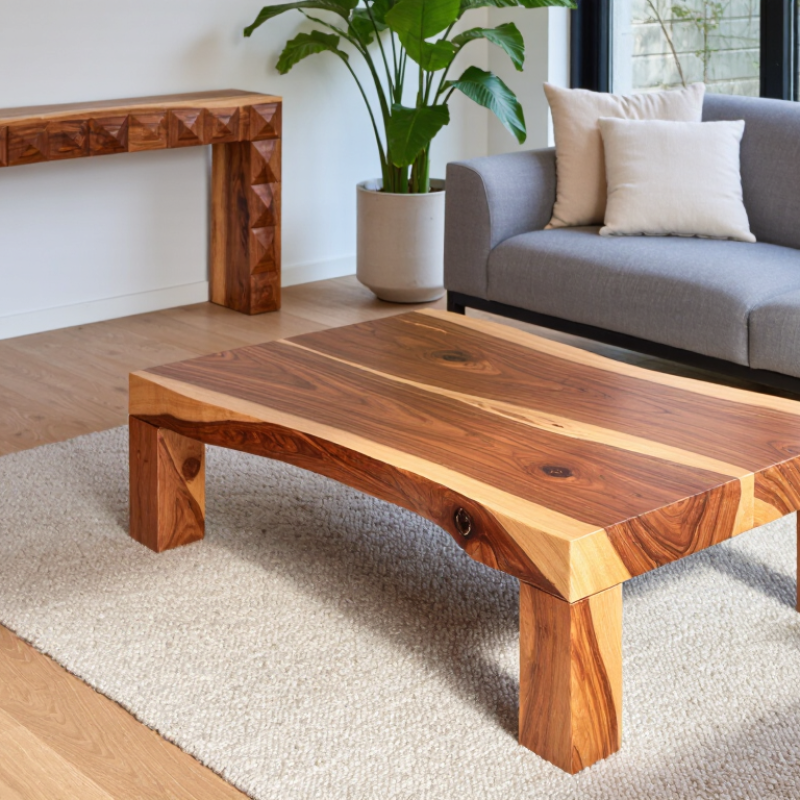
Mango wood is moving from a practical material into the spotlight of 2026 home decor. Its warm honey tones, visible grain, and natural knots bring personality to modern rooms. A mango wood coffee table can soften a minimalist sofa area, while a carved console adds texture near an entryway. It feels substantial without appearing overly formal.
Why is mango wood becoming popular for home decor? Designers often value its balance of appearance, strength, and responsible use. Mango trees are commonly grown for fruit, and their wood may be harvested after productive farming years end. This gives the material a compelling circular story, although responsible sourcing still requires careful checking. Buyers should look for clear supplier information, durable finishes, and credible certification where available.
The material also suits changing lifestyles. Its grain hides small marks better than highly polished surfaces, making it practical for busy homes. Properly sealed mango wood can serve in dining tables, shelving, stools, and bedroom furniture. Still, it is not maintenance-free. Direct sunlight, standing water, and sudden humidity changes may cause fading or movement. That detail matters.
From my experience comparing furniture materials, mango wood feels most successful when its natural character remains visible. Excessive staining can erase the very texture customers want. Some pieces may also show uneven color or minor surface variation. That is not always a flaw. It can be evidence of genuine wood rather than factory-perfect imitation. As this trend grows, thoughtful design and honest sourcing will determine whether mango wood becomes a lasting choice or simply another seasonal style.
What Is Mango Wood and Where Does It Come From?
Mango wood comes from the mango tree, Mangifera indica, a tropical species grown across South and Southeast Asia. Farmers usually cultivate these trees for fruit, not timber. When an older tree produces fewer mangoes, it may be removed and replaced. Its trunk can then become furniture, shelving, bowls, and decorative panels.
This process gives mango wood an appealing second use. It can reduce pressure on forests when the tree is genuinely retired from fruit production. However, “mango wood” does not automatically mean sustainable wood. Responsible sourcing still requires clear information about the tree’s origin, harvesting method, and replacement planting. That detail matters.
The material has a warm brown color, visible grain, and occasional darker streaks. Each board looks slightly different. Some pieces show knots, small cracks, or uneven tones. It is not flawless. These marks often reflect natural growth rather than poor craftsmanship, although badly dried wood may warp later. Proper kiln drying, sealing, and indoor humidity control help protect the finished piece. In practical terms, mango wood feels substantial without looking overly formal, which explains its growing appeal in 2026 interiors. Yet buyers should inspect joinery and surface treatment, not just admire the grain. Good design begins with honest material knowledge.
Why Mango Wood Is Becoming Popular in 2026 Home Decor
Mango wood is becoming popular in 2026 home decor because it combines warmth, durability, and a more responsible material story. Grand View Research estimates that the global home furniture market reached roughly 649 billion dollars in 2023, with steady growth expected through 2030. That expansion reflects stronger demand for natural textures and long-lasting pieces. Mango wood fits this shift with visible grain, honey-brown tones, and small knots that make each table or cabinet look individual. Its surface also feels warmer than metal or glossy plastic.
The sustainability claim needs care. Mango trees are mainly grown for fruit, and older trees may later be harvested for timber, giving the wood a secondary use. However, this does not automatically make every product sustainable. The United Nations Environment Programme stresses that responsible sourcing and verified supply chains remain essential in wood production. I would check origin, kiln-drying methods, finishes, and joinery before buying. Poorly treated mango wood can warp near a damp sink or develop cracks in dry rooms. Small details matter. Research and Markets’ furniture outlook also identifies natural materials and ethical consumption as continuing growth themes, although forecasts vary by region and product category. That uncertainty deserves attention. Mango wood is attractive, but honest sourcing matters more than a trendy label.
How Mango Wood Combines Sustainability, Strength, and Natural Beauty
Why Is Mango Wood a Top Home Decor Trend in 2026?
Mango wood combines sustainability, strength, and natural beauty in one practical material. It often comes from mature mango trees that no longer produce commercial fruit. Reusing these trees can reduce pressure on slower-growing hardwood forests. However, the green label is not automatic. Responsible sourcing still matters.
Its dense structure suits dining tables, stools, cabinets, and decorative bowls. A well-made mango wood table can handle daily meals, warm plates, and busy family routines. The grain feels active rather than perfectly uniform. Honey, caramel, and deep brown tones may appear on the same surface. Each mark gives the furniture a more personal character. Small imperfections are part of the appeal.
Mango wood also responds well to careful finishing and regular maintenance. Wipe spills quickly, avoid standing water, and use coasters near hot drinks. Direct sunlight may gradually change its color. That is not always a flaw. It shows the material is living with the room. Still, quality can vary between pieces, especially when drying is rushed. Check for stable joints, an even finish, and clear sourcing information before buying. Sustainable design needs honest questions, not just attractive texture.
Which Home Decor Styles and Rooms Suit Mango Wood Best?
Mango wood is gaining attention in 2026 because it brings warmth, texture, and practical character to modern interiors. Its golden brown tones can soften rooms filled with metal, glass, or pale fabrics. The grain often includes small knots and color shifts, giving each piece a less manufactured appearance. It is not perfectly uniform.
Modern organic, rustic, and relaxed coastal styles suit mango wood particularly well. In a living room, a mango-wood coffee table can anchor a cream sofa, woven rug, and ceramic lamps. Its solid surface feels useful, not merely decorative. Dining rooms benefit from mango-wood tables, especially when paired with linen chairs or matte black lighting. In my styling experience, the contrast keeps warm wood from looking visually heavy. Small rooms need restraint.
Bedrooms can use mango wood through bedside tables, low chests, or a simple headboard. These pieces work well with cotton bedding, muted green walls, and brushed metal details. A home office may gain a calmer atmosphere from a mango-wood desk, provided its finish feels smooth and does not reflect harsh light. Eclectic and bohemian rooms can highlight its irregular grain with patterned textiles and handmade accessories. For reliable use, check that the wood is properly dried, sealed, and maintained away from prolonged moisture. Bathrooms and damp entryways may expose its limitations. I once underestimated that risk. A beautiful surface can still warp when practicality is ignored.
Why Is Mango Wood a Top Home Decor Trend in 2026?
Mango wood combines warm grain, natural variation, and practical durability, making it especially suitable for relaxed, organic interiors. The index below rates room and style suitability from 1 to 5 based on these material characteristics and typical use conditions, not sales data.
Which Home Decor Styles and Rooms Suit Mango Wood Best?
Mango wood works best in living rooms, bedrooms, and dining areas, where its warm tones and visible grain create a welcoming atmosphere. Rustic, bohemian, Japandi, and contemporary styles complement it particularly well. Because prolonged moisture can affect natural wood, bathrooms and exposed outdoor settings require additional protection.
How to Choose and Care for Mango Wood Furniture and Accessories
Mango wood is gaining attention in 2026 because it offers warm color, visible grain, and a more personal feel than uniform engineered surfaces. FAOSTAT crop data reports global mango production above 50 million tonnes annually. That scale helps explain the available wood supply, but it does not prove every piece is sustainable. Ask where the timber came from and whether it was recovered after fruit production.
Choose furniture with even joints, stable legs, and no deep end-grain cracks. Small knots and darker streaks are normal. They are not always flaws. Request kiln-drying information and a moisture reading suited to your climate. The USDA Forest Products Laboratory explains that wood changes dimension as its moisture content responds to surrounding humidity. A beautiful table can still warp if the room is consistently damp or very dry.
Care is simple, but consistency matters. Wipe mango wood with a soft, slightly damp cloth, then dry it immediately. Use coasters under cold glasses and mats beneath hot dishes. Keep pieces away from radiators, strong sunlight, and leaking windows. I aim for roughly 40–60% relative humidity indoors, while following the maker’s finish instructions. Never flood the surface with cleaner. For oiled wood, use only a compatible oil and test an unseen area first. I once treated a sample too generously; it stayed tacky for days. Less product usually works better. Inspect handles, seams, and tabletops every few months. Small changes are easier to correct than neglected damage.
FAQS
It fits modern organic, rustic, relaxed coastal, eclectic, and bohemian interiors. Its golden-brown color softens metal, glass, and pale fabrics. The grain is irregular. That is part of its character.
Living rooms, dining rooms, bedrooms, and home offices are strong choices. Try a coffee table, dining table, bedside table, chest, headboard, or desk. Bathrooms and damp entryways require more caution.
Pair it with a cream sofa, woven rug, and ceramic lamp. The solid surface adds practical warmth. Leave some tabletop space; crowded styling can make a small room feel heavy.
Look for even joints, stable legs, and no deep end-grain cracks. Small knots and darker streaks are usually natural variations. Ask whether the wood was kiln-dried and properly sealed.
No. Large fruit production does not prove responsible timber sourcing. Ask whether the wood was recovered after fruit production. The answer may be incomplete, so check the supplier’s details carefully.
Wipe it with a soft, slightly damp cloth. Dry the surface immediately. Never flood it with cleaner. Use coasters for cold drinks and mats beneath hot dishes.
Keep it away from radiators, harsh sunlight, and leaking windows. Avoid prolonged moisture and sudden humidity changes. Indoor humidity around 40–60% may help, depending on your climate. I once underestimated dampness. The surface warped despite looking beautiful.
Use only an oil compatible with its existing finish. Test a hidden area before treating the whole piece. Apply sparingly. Less product usually works better. I once used too much oil; the sample stayed tacky for days.
Conclusion
Mango wood is a durable hardwood harvested from mature mango trees that have reached the end of their fruit-producing life, giving the material a practical second purpose. Why is mango wood becoming popular for home decor? In 2026, homeowners are increasingly drawn to its balance of sustainability, strength, affordability, and natural character. Its varied grain patterns, warm tones, and occasional color contrasts allow each piece to feel distinctive while adding an inviting organic touch to a room.
Mango wood works well with rustic, farmhouse, bohemian, coastal, and contemporary interiors. It can bring warmth to living rooms, bedrooms, dining areas, entryways, and home offices through furniture, shelving, trays, and decorative accessories. To keep mango wood looking its best, place it away from excessive moisture and direct heat, wipe spills promptly, use protective surfaces, and occasionally apply a suitable wood conditioner. With thoughtful care, mango wood decor can remain attractive, functional, and stylish for many years.

 TayLord Furniture