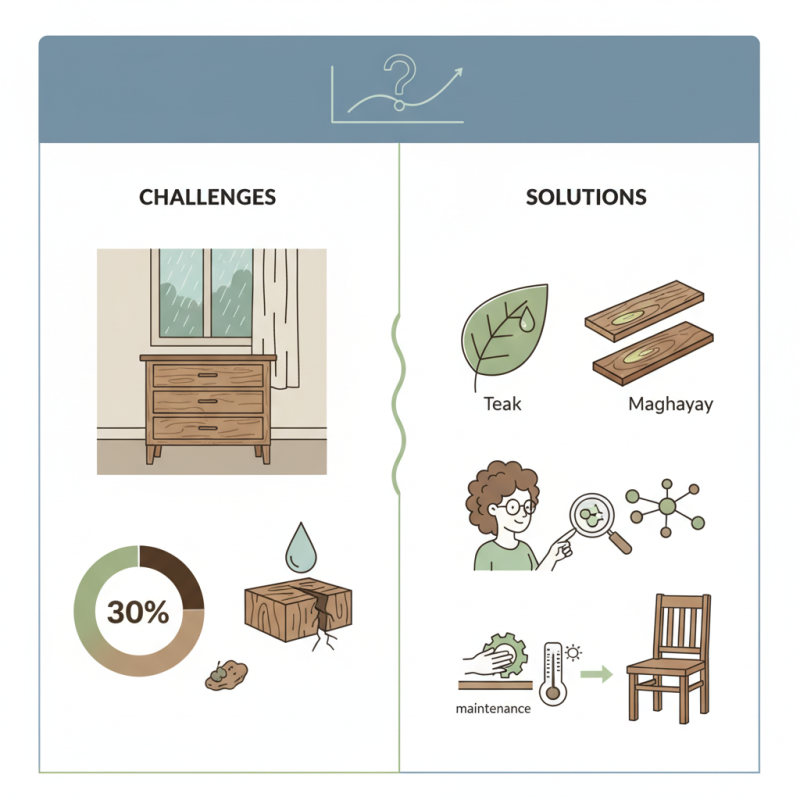
Wooden furniture has always been a centerpiece in many homes, but its durability in high-humidity areas raises questions. As per the Furniture Manufacturers Association, over 30% of wooden furniture in humid environments suffers from warping and mold. This statistic highlights the challenge for many homeowners.
Experts like Dr. Emily Stone, a specialist in furniture materials, emphasize, "Can wooden furniture be used in high-humidity areas? It's all about the type of wood and treatment." This insight reflects that while some woods can withstand moisture better, others may fail quickly.
Selecting the right wood is essential. Teak and mahogany, for example, contain natural oils that resist water. However, even the best choices have limitations. Homeowners must remain proactive, ensuring the environment minimizes humidity exposure. Regular maintenance is vital, as neglect can lead to irreversible damage.
Factors Affecting Wooden Furniture Durability in Humid Environments
Wooden furniture faces significant challenges in high humidity areas. Humidity can cause wood to swell, warp, or even develop mold. Research indicates that high moisture levels can reduce the lifespan of wooden pieces by up to 50%. The capacity to absorb moisture varies by wood type. Hardwoods such as oak and maple tend to withstand humidity better than softer varieties.
To protect wooden furniture, maintaining a stable environment is crucial. Here are a few tips to enhance durability. Use a dehumidifier to control room moisture levels. Ensure proper ventilation to allow airflow around the furniture. Regularly apply wood conditioner or sealant to create a protective barrier against moisture.
Another factor impacting durability is temperature fluctuation. Rapid changes can cause stress on wood fibers. Craftsmanship quality also matters. Well-made furniture with proper joinery is often more resilient. However, even the best pieces are not invulnerable. Regular inspections for signs of damage or wear can help address issues before they worsen. Consider these factors for maintaining your wooden furniture in challenging climates.
Factors Affecting Wooden Furniture Durability in Humid Environments
Common Types of Wood Used in Humid Conditions and Their Resilience
When considering wooden furniture in high humidity areas, it’s crucial to choose the right types of wood. Some species naturally resist moisture better than others. Teak and mahogany are renowned for their durability and water-resistant properties. They contain oils that protect them from swelling and warping. Pine, on the other hand, is more susceptible to humidity, potentially leading to mold growth and structural damage.
Tips: Always check the wood's finish. A high-quality sealant can improve resistance to moisture. Regular maintenance is key. Consider reapplying finishes annually to keep the wood protected.
Another resilient option is cedar. It not only withstands humidity but also has a natural aroma that repels insects. The downside is that cedar can be softer, leading to potential scratches and dents. Refinishing may be needed more often to maintain its appearance.
Tips: If you notice any signs of damage, address them immediately. This can prevent further issues and prolong the life of your furniture. Lastly, ensure proper ventilation in your living space to help manage humidity levels effectively.
Preventive Measures for Maintaining Wooden Furniture in High Humidity
High humidity poses significant risks to wooden furniture. Prolonged exposure to moisture can lead to swelling, warping, and mold growth. According to the Wood Database, ideal humidity levels for wood are between 40% and 60%. When humidity levels exceed this range, especially in areas above 70%, the integrity of the wood begins to degrade.
To protect your furniture, consider using dehumidifiers in high-humidity areas. Keeping the environment dry is vital. Regularly check for signs of damage, such as cracks or discoloration. Employing moisture absorbers, like silica gel packets, can also help maintain proper humidity levels. Additionally, applying wood oil can create a moisture barrier, enhancing durability.
Despite these measures, caring for wooden furniture is not always straightforward. Some wood types may respond differently to humidity changes. Softer woods, such as pine, often absorb moisture faster than hardwoods. Regular monitoring and maintenance are crucial, as environmental conditions fluctuate. Inconsistent care can lead to irreversible damage over time. Understanding your specific furniture’s needs is essential for long-lasting preservation.
Signs of Damage in Wooden Furniture Due to Humidity Exposure
High humidity can ravage wooden furniture. It often causes warping and swelling. When this happens, you might notice cracks developing on the surface. These cracks can be alarming, but they also indicate deeper problems. If you see discoloration, that's another red flag. The wood may absorb moisture and begin to rot.
Another common issue from humidity is mold growth. Look for dark spots, especially in areas with poor ventilation. These spots can spread quickly. They not only damage the furniture but also affect indoor air quality. Insects like termites thrive in humid conditions too. If you notice tiny holes or fine dust, your furniture may be infested.
Pay attention to the sound of your furniture as well. Creaking noises can mean structural damage. Humidity can change the dimensions of the wood. Ignoring these signs may lead to costly repairs. Regular checks are essential to maintain furniture health. Ensuring proper airflow can help reduce moisture buildup. Small changes can make a big difference in preserving your wooden furniture.
Can Wooden Furniture Survive in High Humidity Areas? - Signs of Damage in Wooden Furniture Due to Humidity Exposure
| Sign of Damage |
Description |
Severity Level |
Recommended Action |
| Warping |
Distortion of furniture shape due to moisture absorption. |
High |
Use a dehumidifier and allow the furniture to acclimate. |
| Cracking |
Visible splits in the wood surface due to rapid moisture loss. |
Medium |
Apply wood filler and finish to repair. |
| Mold Growth |
Fungal growth caused by prolonged exposure to moisture. |
High |
Clean with mild detergent and ensure proper ventilation. |
| Discoloration |
Changes in wood color due to excess moisture. |
Low |
Use wood polish to restore appearance. |
| Bubbling |
Bubbles in lacquer or finish caused by trapped moisture. |
Medium |
Sand down the finish and reapply as necessary. |
Maintenance Tips for Preserving Wooden Furniture in Humid Areas
High humidity can be detrimental to wooden furniture.
Excess moisture can lead to warping, mold growth, and deterioration.
Understanding maintenance techniques is essential for preserving these valuable pieces in humid environments.
Regular cleaning is vital.
Use a soft, dry cloth to wipe down surfaces. This helps remove moisture and dust.
Occasionally, use a furniture polish to nourish the wood. However, be wary.
Over-polishing can create a sticky residue.
Check for signs of mold or mildew often.
If detected, clean promptly with a damp cloth, followed by thorough drying.
Humidity control is crucial.
A dehumidifier can help manage moisture levels in your home.
Aim to keep indoor humidity between 30% and 50%.
It may be necessary to avoid placing wooden furniture near windows or in direct sunlight.
These conditions can exacerbate humidity issues.
If wood furniture shows signs of warping, consider professional repair.
Ignoring minor issues can lead to bigger problems later.
Regularly inspect your furniture and make adjustments to your care routine as needed.
FAQS
: Humidity can cause wooden furniture to swell, warp, or develop mold. High moisture levels may cut durability by 50%.
Hardwoods, like oak and maple, withstand humidity better than softer woods. Their moisture absorption varies significantly.
Use a dehumidifier, ensure good airflow, and apply wood conditioner regularly for protection against moisture.
Look for warping, cracks, discoloration, mold spots, and creaking sounds. These signs indicate deeper issues and potential repairs.
Regular cleaning with a soft cloth is essential. Avoid over-polishing to prevent sticky residues. Examine for mold frequently.
Rapid changes stress wood fibers, leading to potential damage. Addressing these fluctuations is vital for durability.
Regular inspections are essential. If you notice warping or damage, consider professional repair instead of ignoring it.
Indoor humidity should ideally be kept between 30% and 50% to prevent damage to wooden items.
Keep wooden furniture away from direct sunlight and windows to prevent exacerbated humidity issues.
Ignoring maintenance can lead to costlier repairs and serious damage over time. Regular attention is necessary.
Conclusion
The article titled "Can Wooden Furniture Survive in High Humidity Areas?" examines the various factors affecting the durability of wooden furniture in humid environments. It highlights how certain types of wood, such as teak and mahogany, possess natural resilience against moisture, making them more suitable for high-humidity conditions. The article also emphasizes the importance of preventive measures, such as using appropriate finishes and maintaining consistent indoor climate control, to protect wooden furniture from humidity-related damage.
Additionally, it outlines the common signs of damage caused by humidity exposure, including warping, cracking, and mold growth. To preserve wooden furniture in such areas, the article provides essential maintenance tips, such as regular cleaning and ensuring proper ventilation. Ultimately, the article addresses the query: "Can wooden furniture be used in high-humidity areas?" by indicating that with the right care and attention, wooden furniture can indeed thrive in these challenging conditions.

 TayLord Furniture