In modern commercial and residential interior architecture, the minimalist nightstand has transitioned from a basic functional utility item to a focal piece of design refinement. Professional B2B furniture buyers—ranging from boutique hoteliers and custom residential developers to large-scale retail distributors—require products that harmonize aesthetics, functional layout longevity, and structural safety. High-performance minimalist nightstands rely on clean geometric silhouettes, integrated storage capabilities, and hidden hardware configurations.
However, selecting a high-performing manufacturing partner involves evaluating complex global supply chains, strict emission regulations, and mass production consistency. B2B enterprise procurement requires strategic vetting of factory competencies, verifying direct access to premium timber, observing environmental compliance metrics (such as CARB Phase 2 and FSC certifications), and reviewing OEM/ODM custom development capabilities. This comprehensive report details the operational frameworks that separate top-tier minimalist nightstand manufacturers and suppliers from standard custom fabricators.
Global sourcing agents evaluate minimalist nightstand suppliers using strict metrics. A manufacturer's ability to maintain tight structural tolerances, verify raw material source points, and support custom development ensures a reliable supply chain. Below is our framework for analyzing the top 10 minimalist nightstands factory ecosystem:
Integration of automated CNC cutting setups, edge-banding machinery, and precision drilling assemblies. Heavy automation reduces structural deviations to less than 0.5mm, crucial for modern push-to-open cabinets.
Consistent sourcing of sustainably managed white oak, walnut, beech, and premium MDF. Partners must provide clear FSC chain-of-custody certificates alongside CARB Phase 2 compliance documentation.
In-house CAD/3D modeling support that converts concepts into production-ready samples within 7-10 days, allowing customization of proportions and integrated charging slots.
Established in 2010, Jiangsu TayLord Furniture Co., Ltd. has grown to become a premium manufacturer and supplier of wooden furniture, specializing in minimalist casegoods. The company provides vertically integrated B2B services, including R&D, structural design, volume production, and global export coordination.
Operating from a modern 6,000-square-meter facility, TayLord uses high-speed CNC routing setups, semi-automated assembly lines, and dust-free finishing booths. This setup maintains production consistency for client designs and raw materials, including oak, walnut, beech, pine, and high-density fiberboards.
A core advantage is the dedicated in-house R&D department. The team partners with global B2B clients to convert conceptual designs into production-ready samples. Whether manufacturing from detailed CAD files or refining basic concepts, TayLord delivers structural integrity and clean alignments.
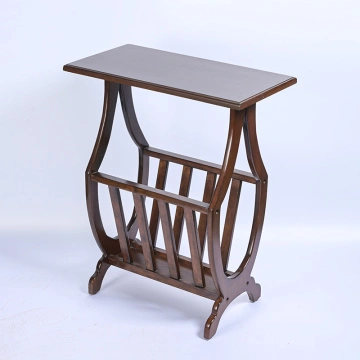
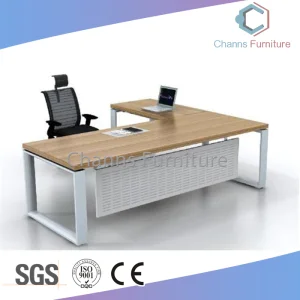
Beyond bedroom casegoods, TayLord designs and manufactures coffee tables, executive desks, bathroom vanities, display cabinets, shoe racks, custom wooden gifts, and solid wood lighting bases. This diverse capability allows B2B buyers to consolidate mixed-container shipments under a single quality control standard.
With key export channels in the US, UK, Canada, Belgium, Sweden, and the Middle East, TayLord maintains compliance with local trade and safety standards. The factory implements eco-friendly manufacturing by sourcing low-VOC adhesives, water-based finishes, and recycled packaging materials.
China's furniture manufacturing sector remains a core hub for global B2B buyers seeking scalability and quality. Eastern China, specifically Jiangsu, provides key advantages for sourcing modern minimalist nightstands:
Close proximity to wood processing facilities, specialized hardware manufacturers, and custom packaging suppliers. This proximity minimizes raw material transit delays and lowers domestic transport costs.
Combines modern industrial automation with traditional joinery techniques, such as mortise-and-tenon joints, ensuring long-term structural durability under load.
Located near major transport hubs like Shanghai and Ningbo, enabling efficient international container shipping and lower overall logistics costs.
Minimalist design focuses on removing unnecessary elements to highlight clean lines, function, and materials. Contemporary B2B collections emphasize key developments:
Modern minimalist nightstands often feature integrated wireless charging zones, touch-dimmable LED lighting, and smart USB ports. Vetted factories ensure these electronic parts carry certifications like CE, FCC, and UL.
Combining natural wood grain with steel powder coatings, tempered glass, or natural stone accents. This approach adds depth while maintaining clean, modern surfaces.
Compliance with anti-tip safety requirements, including standard ASTM F2057-23, is critical for units over a certain height. Quality assurance relies on stable base designs and wall-mounting options.
To export to the European Union, products must use materials free from restricted substances, complying with REACH regulations. Focus areas include non-toxic adhesives and eco-friendly wood stains.
To prevent shipping delays or product failure, B2B procurement managers use a clear vetting process during factory evaluations:
Solid wood and veneers must undergo kiln-drying to keep moisture levels between 8% and 12%. This range helps prevent cracking, warping, or splitting in dry climates.
Drawer slides, push-to-open mechanisms, and soft-close hinges are tested for at least 50,000 open-close cycles to ensure longevity in high-traffic hotels or homes.
ISTA 3A drop testing protocols verify package strength. Factories must use high-density foam, corner guards, and sturdy corrugated shipping cartons.
Answers to key questions concerning logistics, certifications, customization options, and wholesale supply chain operations.
Successful B2B partnerships rely on clear communication and consistent quality. By matching digital design models with modern production equipment, manufacturers can verify structural details before starting mass production. This step reduces material waste and keeps assembly tolerances tight.
Whether developing a new product line for retail or supplying a large commercial project, selecting a partner with dedicated R&D support, strict material vetting, and reliable shipping setups ensures a more stable, long-term supply chain.
 TayLord Furniture